Charles Bridge
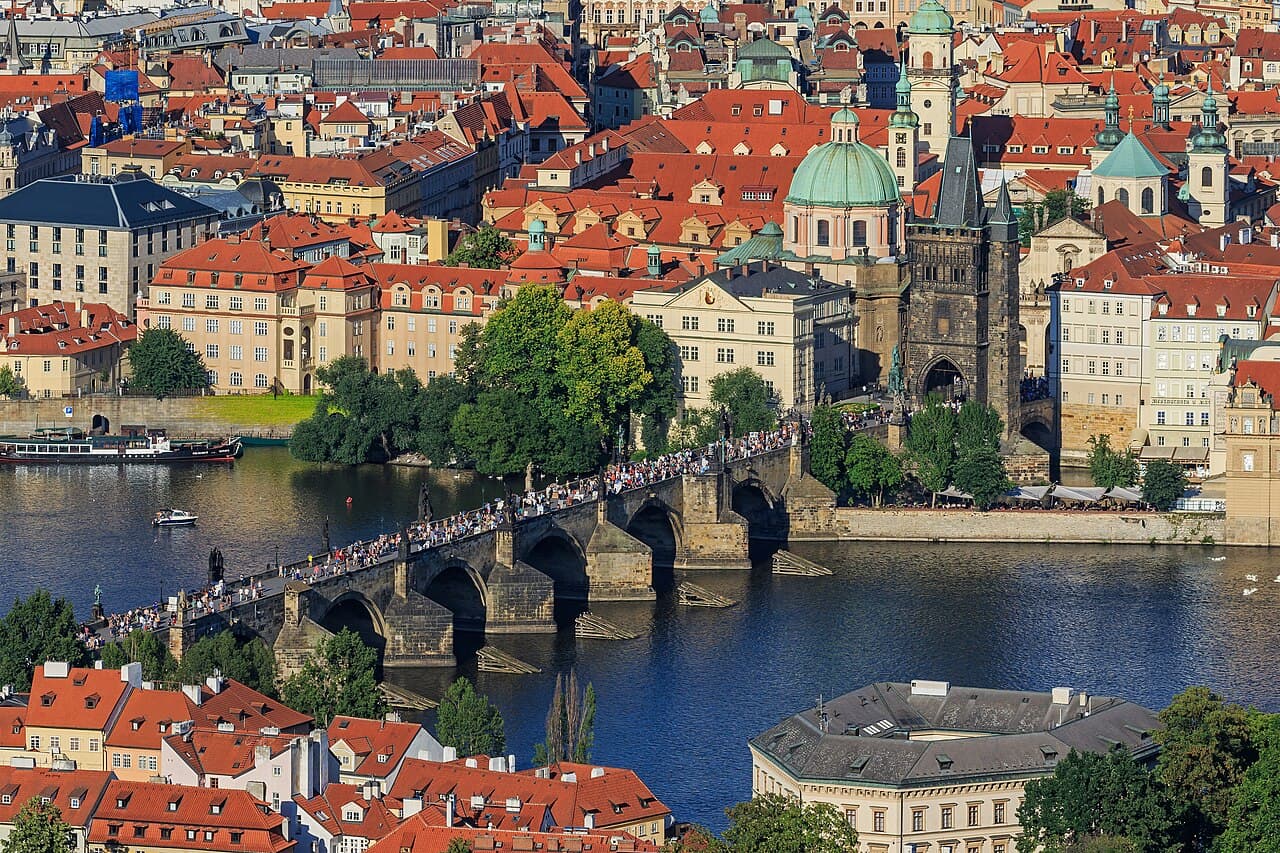
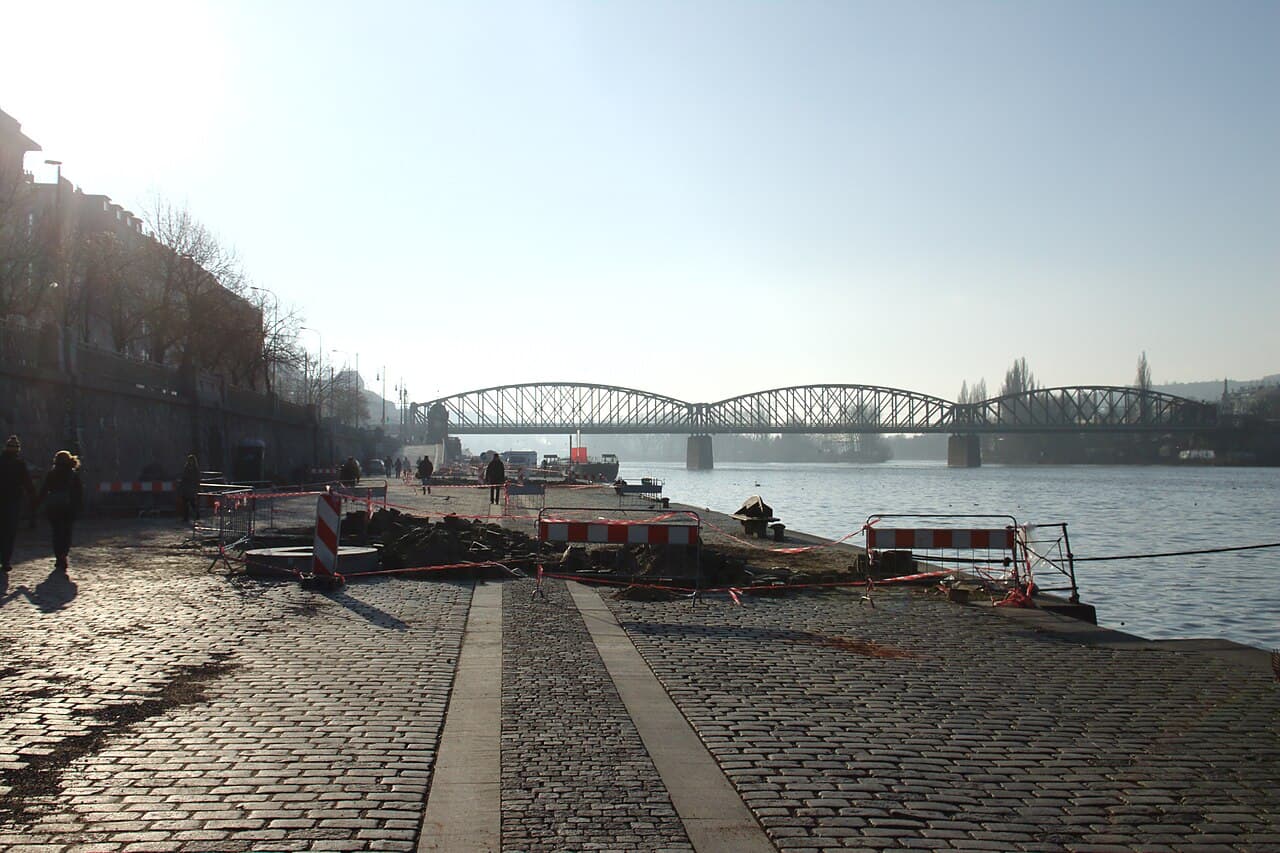
The 14th-century stone bridge lined with blackened baroque saints, linking the old town to the castle over the Vltava. Unbearable by day — so go at dawn or after midnight, when it's just you, the statues and the spires in the mist.
The best of Prague — tap the ones you fancy and your plan builds around them.
Pick the kind of area — we’ll put you in the right neighbourhood.
Type its name and I’ll tell you what area it’s in and how far it is from your picks.
The 14th-century stone bridge lined with blackened baroque saints, linking the old town to the castle over the Vltava. Unbearable by day — so go at dawn or after midnight, when it's just you, the statues and the spires in the mist.
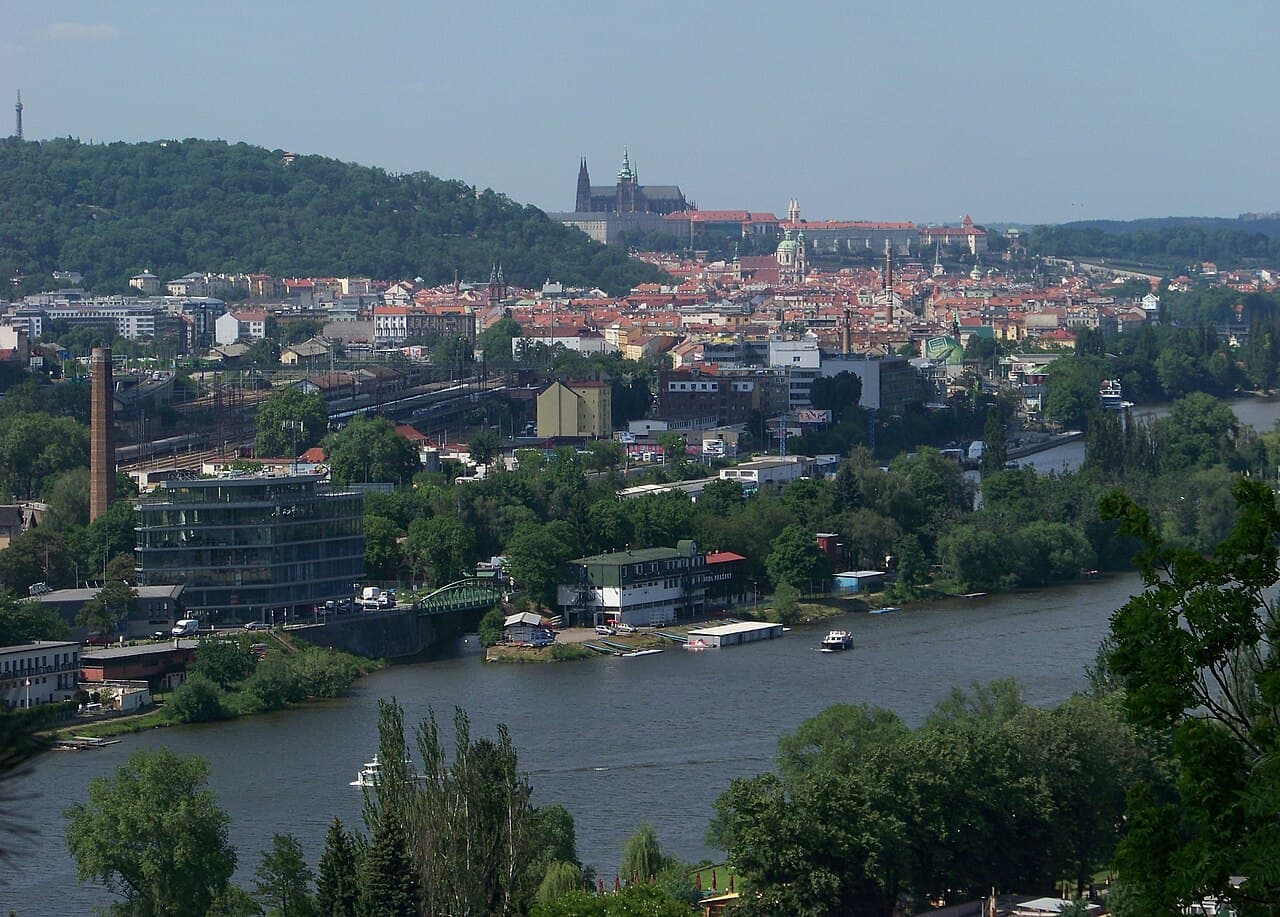
The largest ancient castle complex in the world, crowning the hill — a thousand years of Czech power around the soaring Gothic cathedral of St Vitus. Go up for the cathedral and the view over the red roofs; the grounds are free.
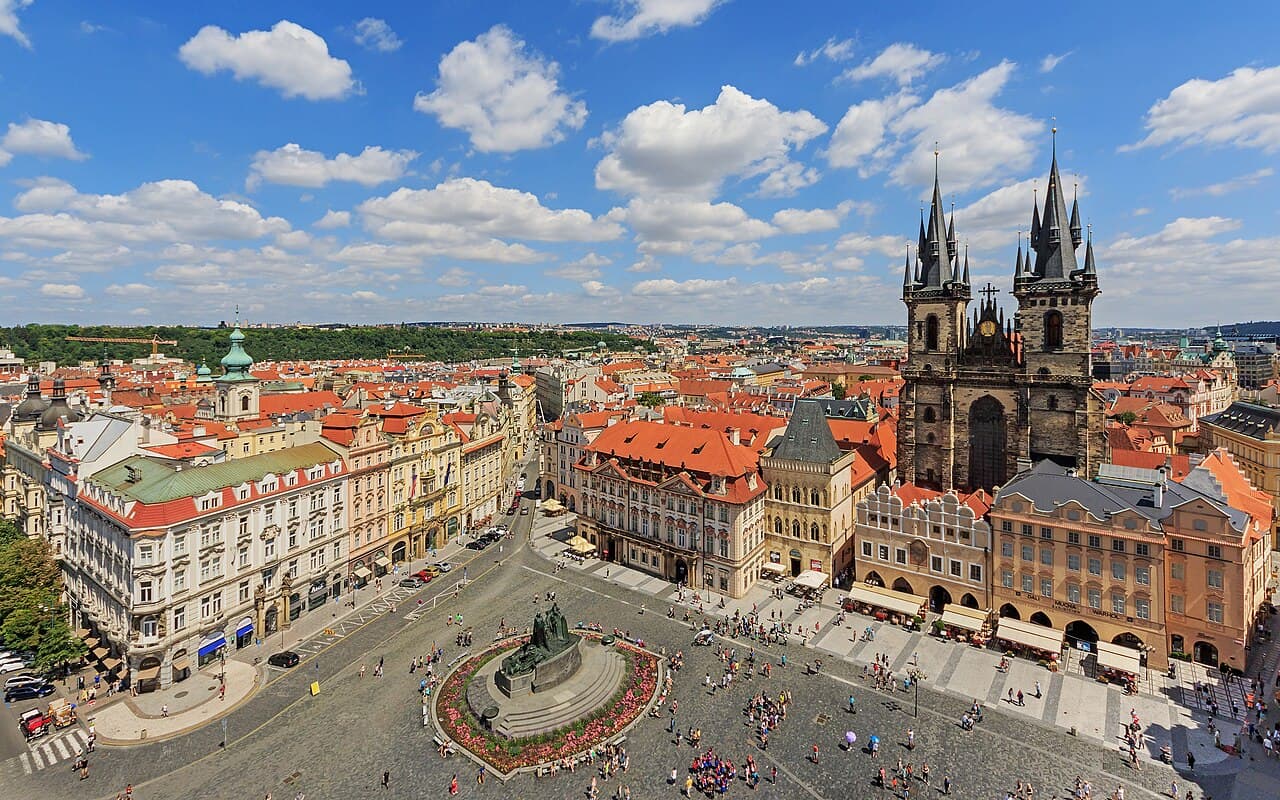
The medieval heart — pastel facades, the twin Gothic towers of the Týn Church, and the 600-year-old astronomical clock whose figures parade on the hour. The single most beautiful square in Central Europe.
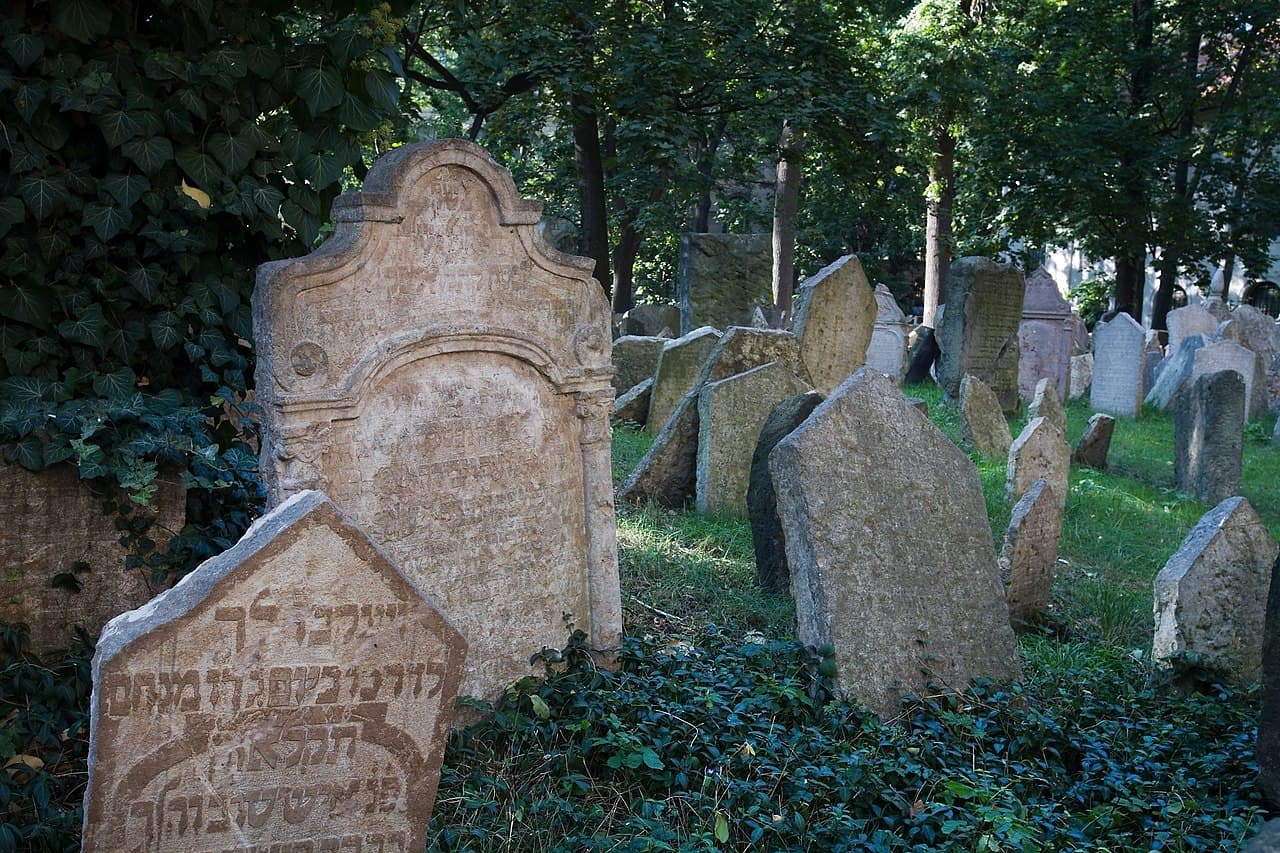
The old Jewish town — a handful of ancient synagogues and the extraordinary Old Jewish Cemetery, its headstones stacked twelve deep, a moving record of one of Europe's oldest Jewish communities. One combined ticket covers them.
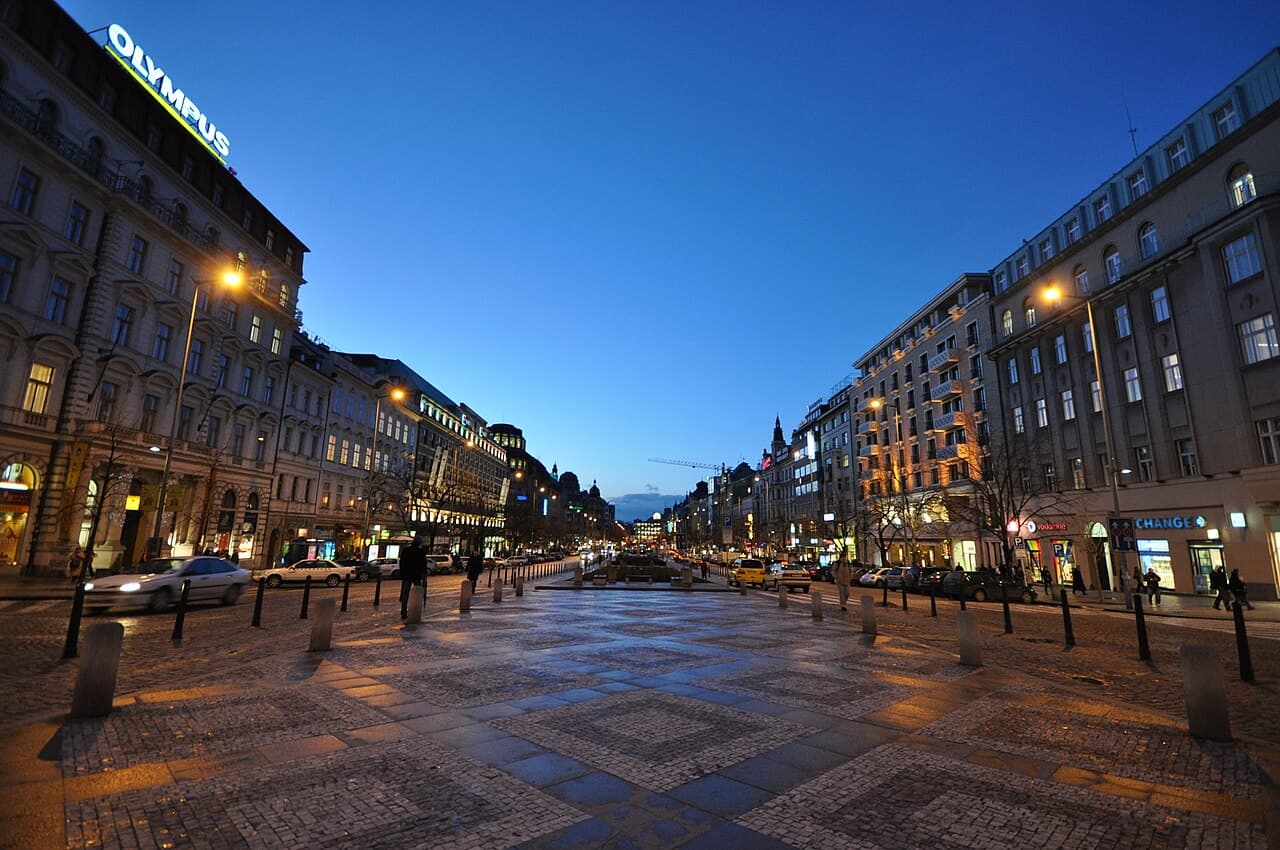
Less a square than a grand boulevard, watched over by the mounted statue of St Wenceslas and the National Museum — the stage for the Velvet Revolution. Come for the weight of the past century; stay for the sausage stands.
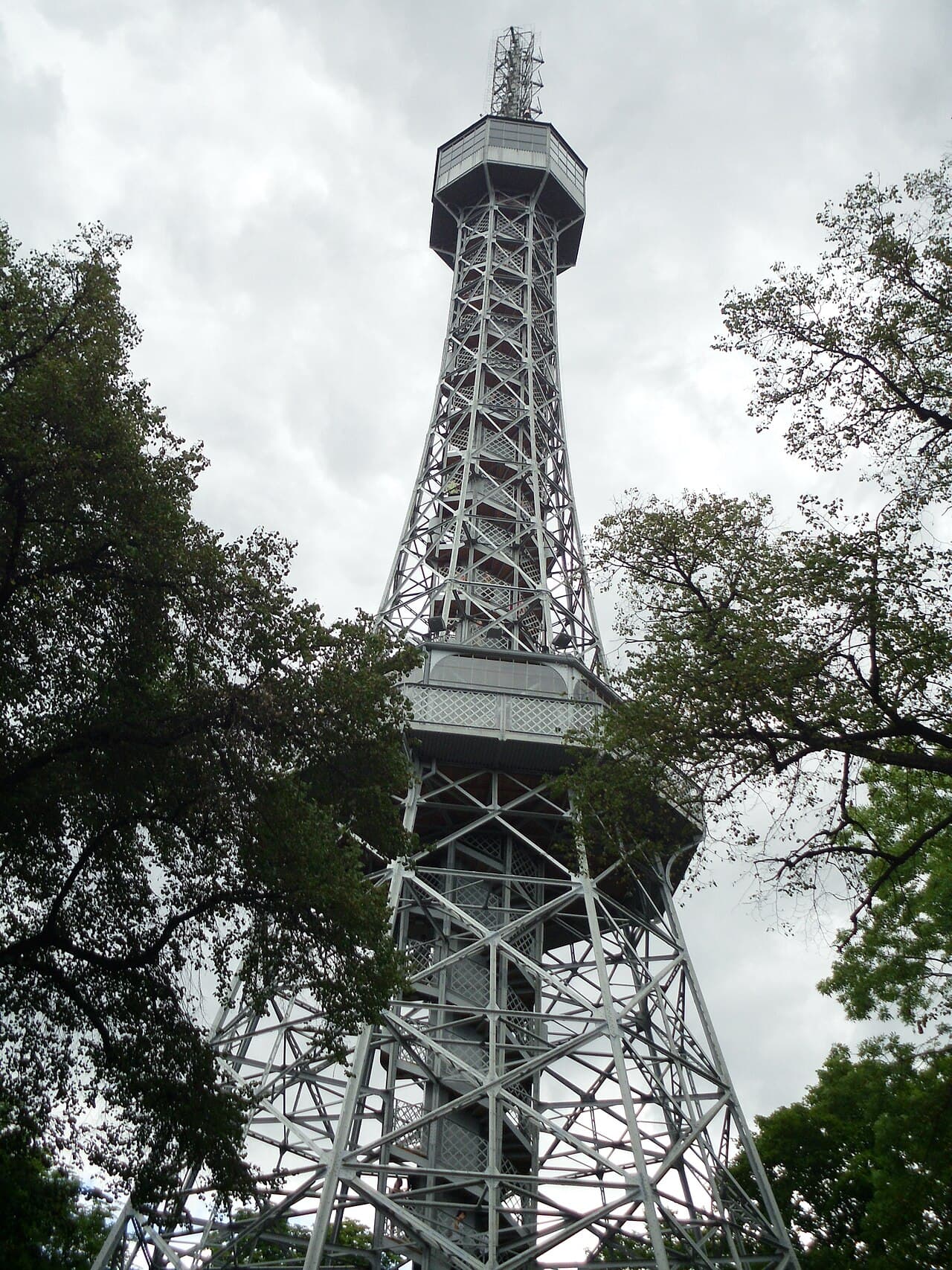
The green hill above Malá Strana, up by funicular through orchards to a mini-Eiffel lookout with the best view over the whole city and its hundred spires. A rose garden, a mirror maze and a break from the crowds; lovely at sunset.
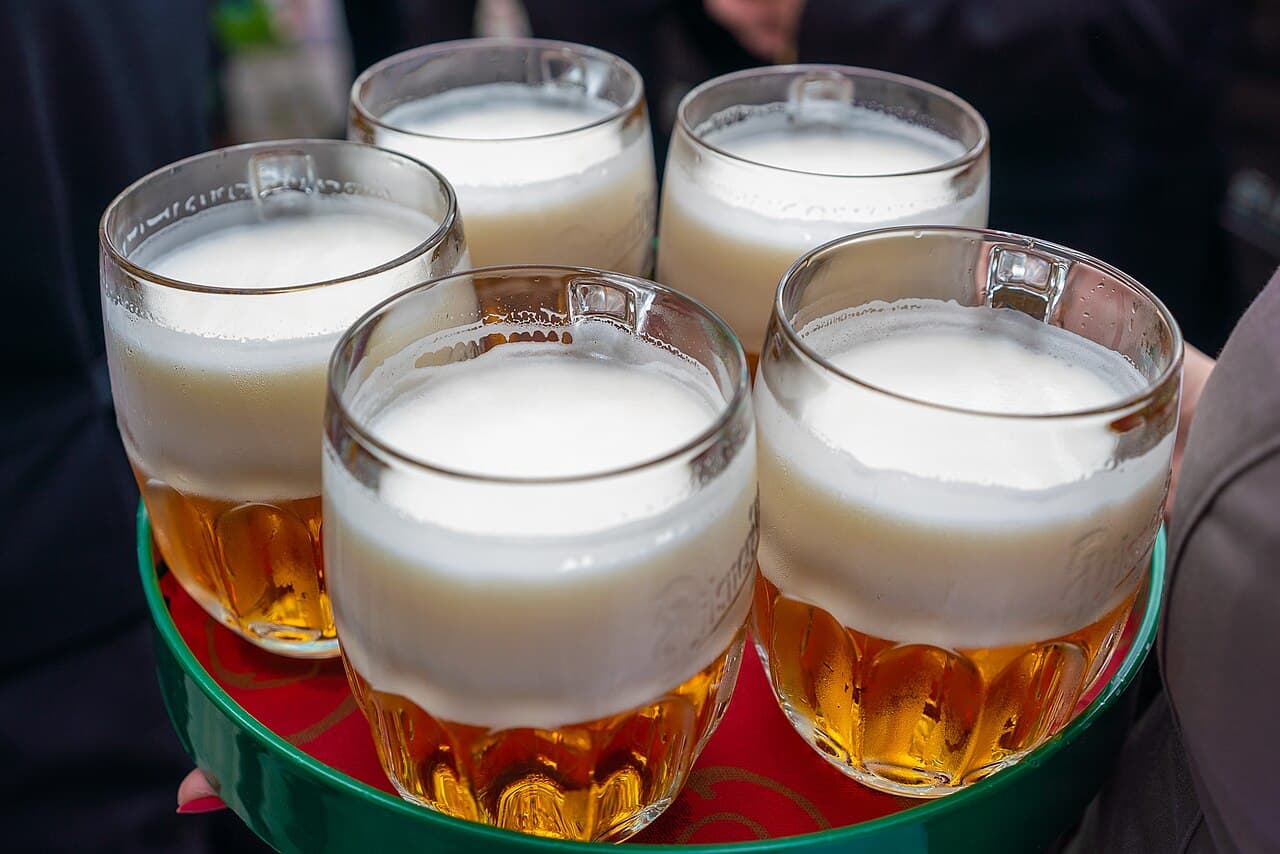
Beer is the national religion, brewed better and poured cheaper here than anywhere — a half-litre of ice-cold Pilsner costs less than water. Find an old-school pivnice, order by holding up fingers, and eat goulash or svíčková with it.
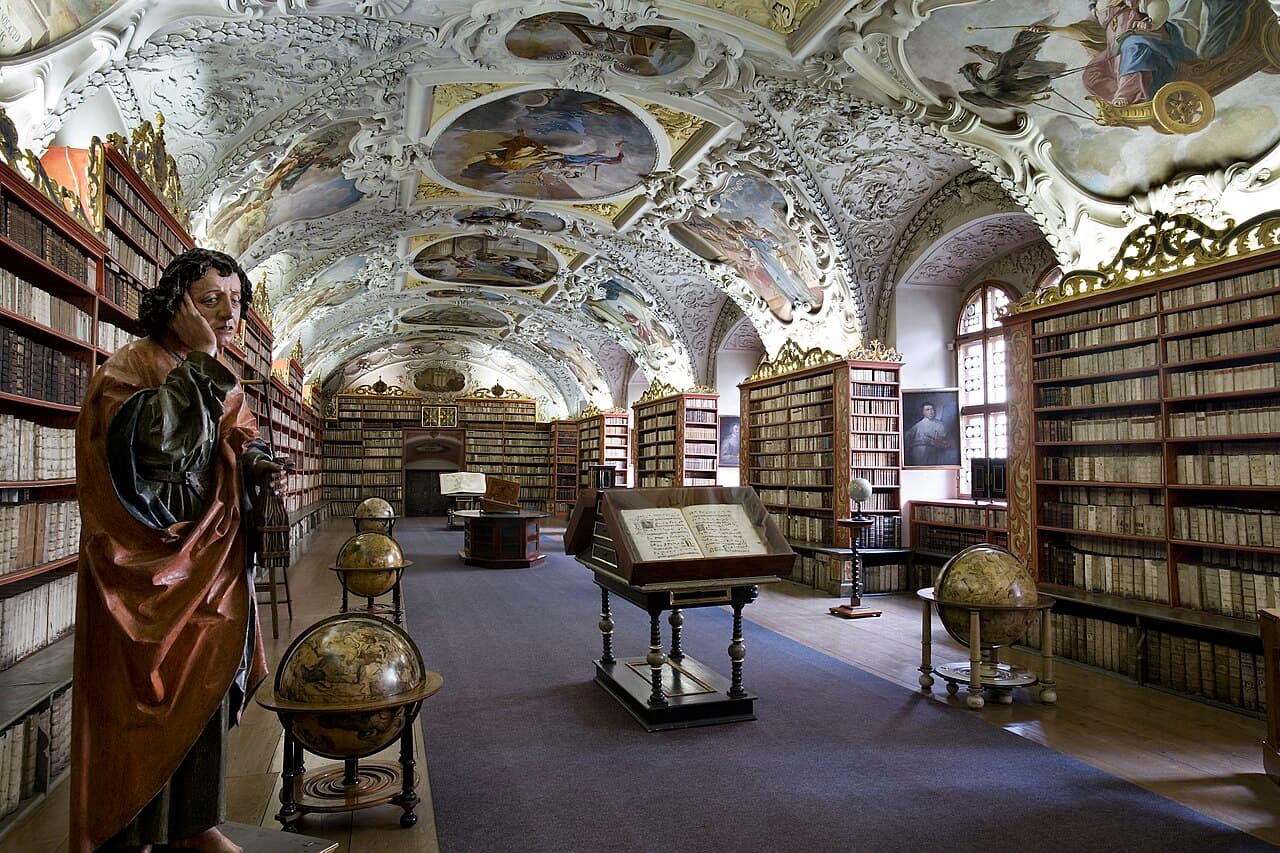
Two breathtaking baroque library halls above the castle, frescoed ceilings over walls of gilded old books — one of the most beautiful rooms in the world, with a monastery brewery next door for the reward. Peaceful, and often missed.
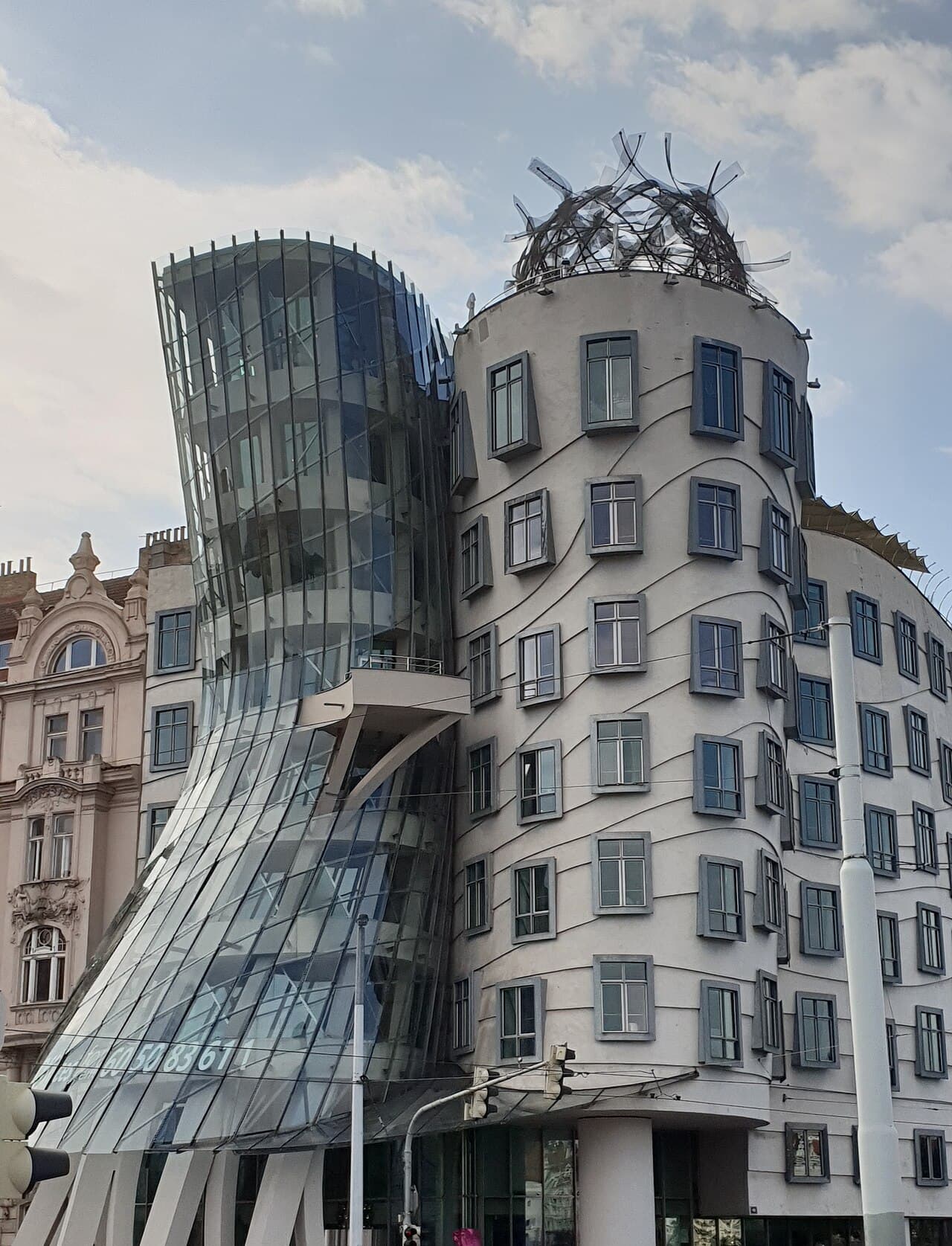
Frank Gehry's playful riverside building, a glass tower that seems to sway into its stone partner — nicknamed 'Fred and Ginger'. A jolt of the modern among the baroque, with a rooftop bar for the view along the Vltava.
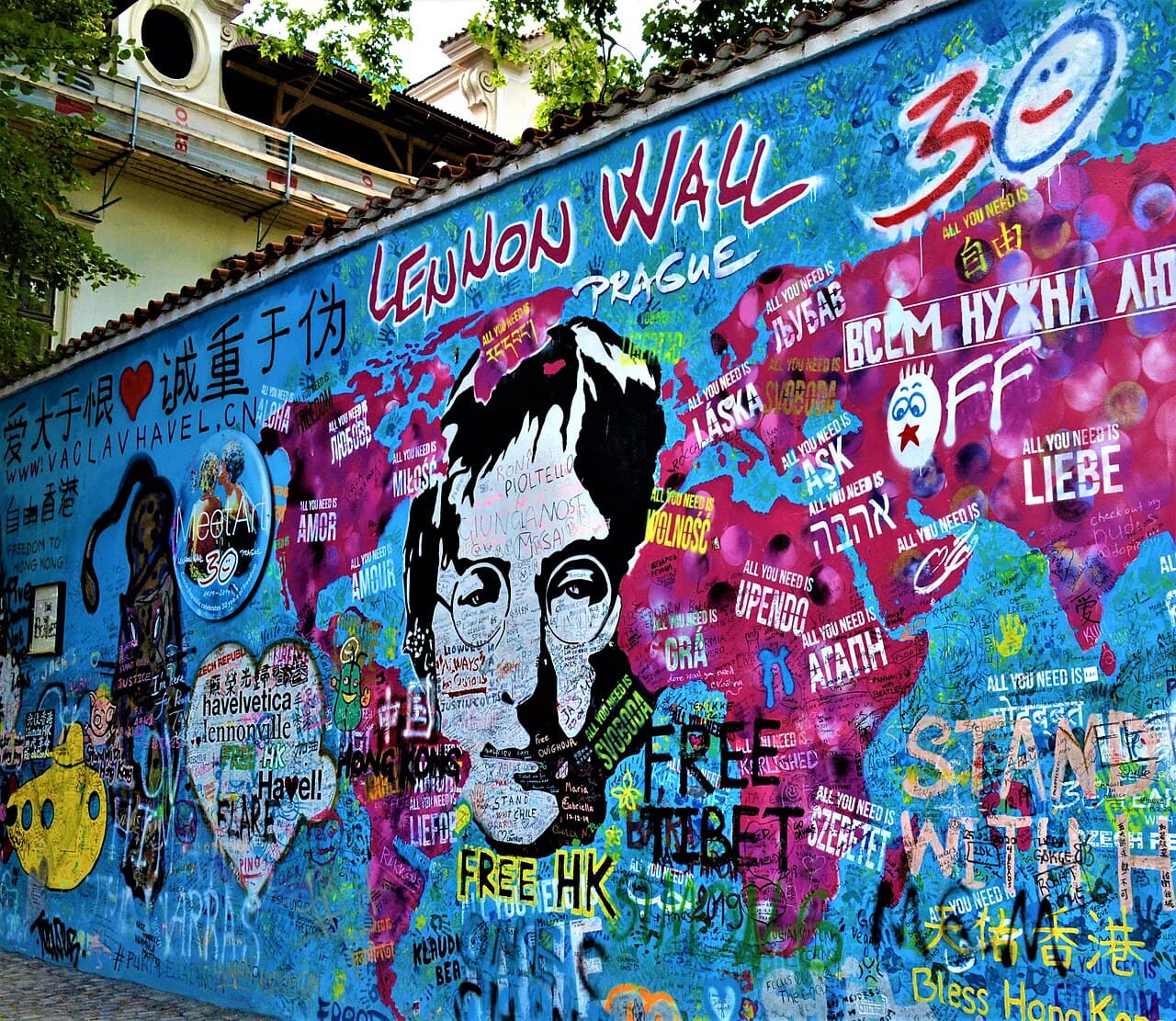
The little island under Charles Bridge — a mill wheel, a park, giant crawling-baby sculptures, and round the corner the ever-changing graffiti of the Lennon Wall, a Cold War symbol of free speech. The prettiest slow wander in Malá Strana.
The other castle — an ancient hilltop fort south of the centre, wrapped in ramparts around a neo-Gothic church and the cemetery where the greats of Czech culture lie. Local, uncrowded, with a glorious walk along the walls above the river.
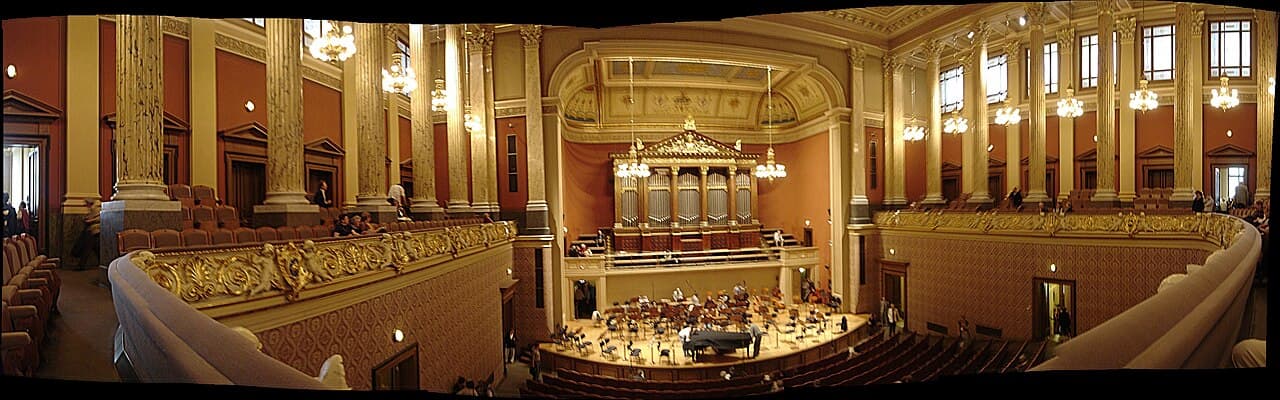
This is Mozart's and Dvořák's city, and music pours out of it — a candlelit recital in a baroque church, or a night at the ornate Estates Theatre where Don Giovanni premiered. Cheap tickets, sublime settings; an easy, magical evening.
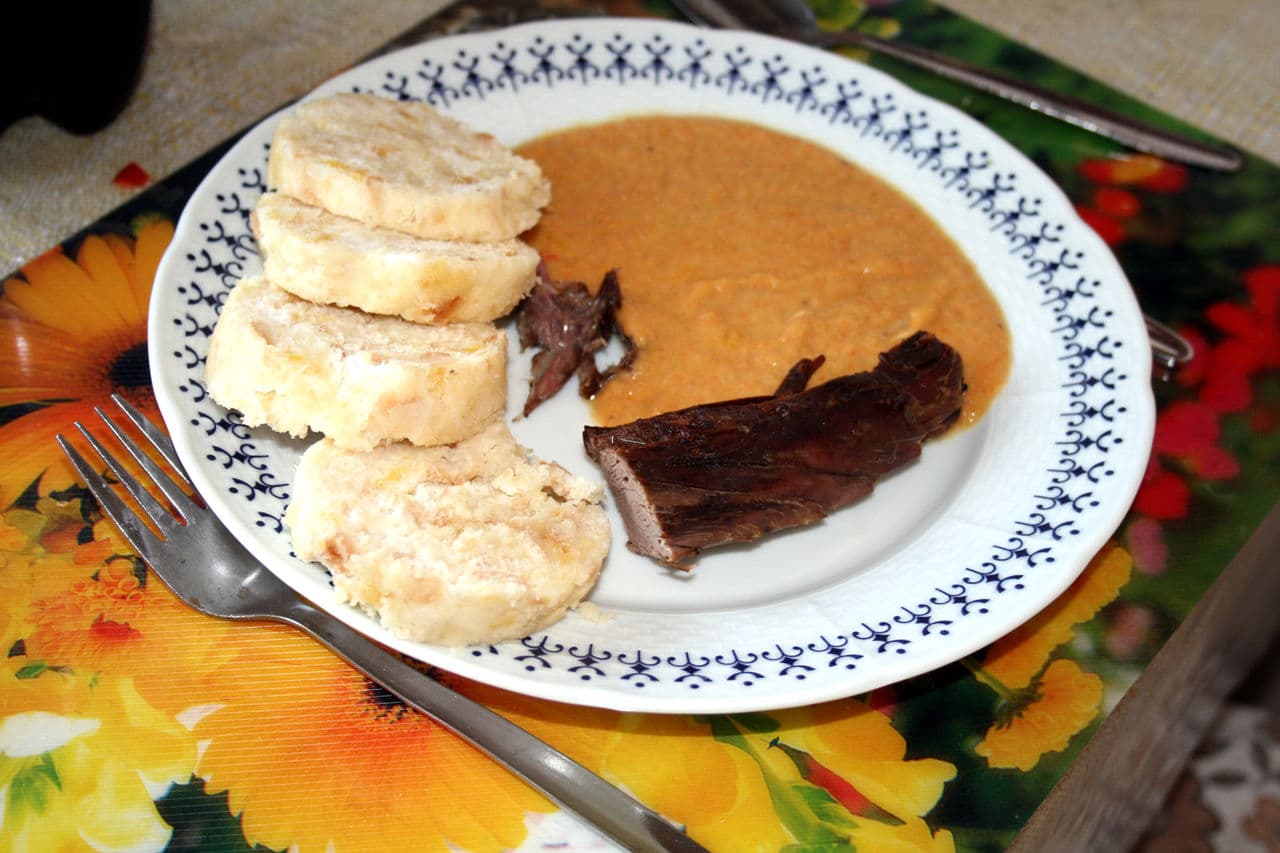
Hearty and unfussy — svíčková (beef in creamy root sauce with dumplings), goulash in a bread bowl, roast pork with sauerkraut, and a sweet trdelník to finish. Filling, cheap, and made for the cold and the beer beside it.
The revitalised embankment along the Vltava — Saturday farmers' markets, cellar bars built into the old ice vaults, and boats and deckchairs where locals drink into the evening. The city's favourite warm-weather hangout, barely a tourist in sight.
A night out in Žižkov is the real Prague after dark — dive pubs, cellar clubs and cheap beer with no dress code and no closing time, all within a stumble of each other. Skip the tourist-trap old-town clubs; this is where the city drinks.
Prices are relative to Czechia, a mid-range country.
Historic heart
The centreThe medieval core, around the Old Town Square and its astronomical clock — cobbled lanes, Gothic spires and the Charles Bridge at the edge. The most beautiful and most crowded base; magical at dawn, pricey and packed by noon.
What’s here
Central & handy
4 min · 0.8 kmThe 'New Town' (new in 1348), around Wenceslas Square — the shops, the transport hub, grand 19th-century boulevards. Flatter, more workaday and better value than the old town, with everything a short walk or tram away.
What’s here
Castle side & grand
6 min · 1.2 kmThe baroque quarter climbing from the river to the castle — palaces, embassies, hidden gardens and the Lennon Wall, quieter than the old town across the water. Grand and gorgeous; where to stay for the castle on your doorstep.
What’s here
Pubs & nightlife
7 min · 2 kmThe scruffy, beloved pub district east of the centre — said to have more bars per head than anywhere in Europe, under a giant TV tower with crawling babies on it. Cheap, local and up all night.
What’s here
Leafy & local
6 min · 1.8 kmThe elegant, leafy residential quarter southeast of the centre — tree-lined streets, Art Nouveau blocks, parks and the city's best cafés and wine bars. Calm and grown-up, popular with expats, a short tram to everything.
What’s here
Worth knowing: No beach — this is landlocked Bohemia. The Vltava runs through the middle, with swimming and boats out at the reservoirs on the edge of the city in summer.
1 hr away
A medieval silver-mining town with a soaring Gothic cathedral — and, most famously, the Sedlec ossuary, a chapel decorated entirely with the bones of 40,000 people, chandelier and all. Macabre, unforgettable, and easy by train.
Direct train
2 hr 30 min away
A tiny, impossibly pretty town wrapped in a loop of the river beneath a huge painted castle — Prague's old-world magic in miniature, without the crowds. Long as a day trip, so many stay a night; utterly storybook.
Bus or train
40 min away
The great Gothic castle built to guard the crown jewels of the Holy Roman Empire, rising from forested hills southwest of the city. The most popular castle day trip from Prague, and a lovely walk up from the village.
Direct train
2 hr away
The grand old spa town in the western forests — pastel colonnades where you sip warm mineral water from spouted cups, plus the herbal liqueur Becherovka and a famous film festival. A genteel, faded-glamour day out.
Bus or train
Best time to go
May–June and September — warm, long days with the beer gardens open and thinner crowds than high summer.
Cheapest: Winter, outside Christmas — cold and often snowy, but atmospheric and cheap, with the old town almost empty.
Pick your dates above and we’ll tell you exactly what the weather does then.
August
25° / 14°C
Some rain
Good time to goPrague is the great survivor — one of the only major European capitals to come through the last century with its medieval and baroque heart fully intact, a fairy-tale of spires, bridges and a castle on the hill. It's compact enough to walk, ludicrously good value the moment you leave the main square, and washed down with the best and cheapest beer on earth. Come for the postcard old town, then find the neighbourhood pubs and ruin-bar energy that make it a real city, not a museum.
First things first
Tap the day you arrive.
August 2026
September 2026
October 2026
November 2026
December 2026
January 2027
February 2027
March 2027
April 2027
May 2027
Last updated 2 August 2026. Cities are refreshed, not written once.