The Acropolis
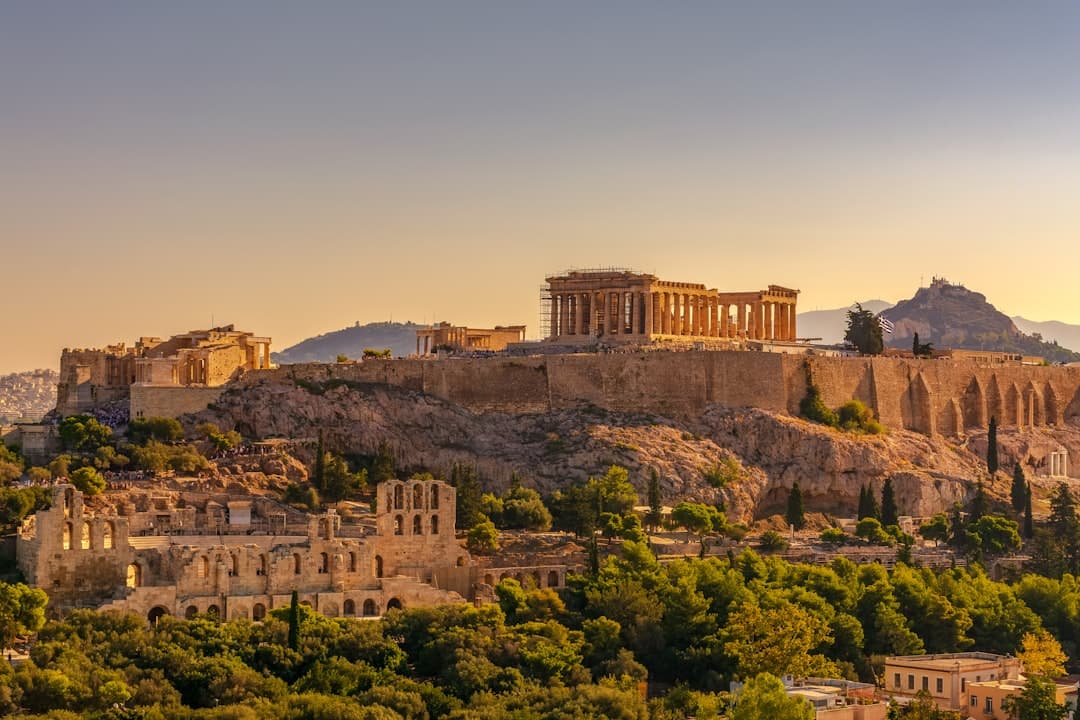
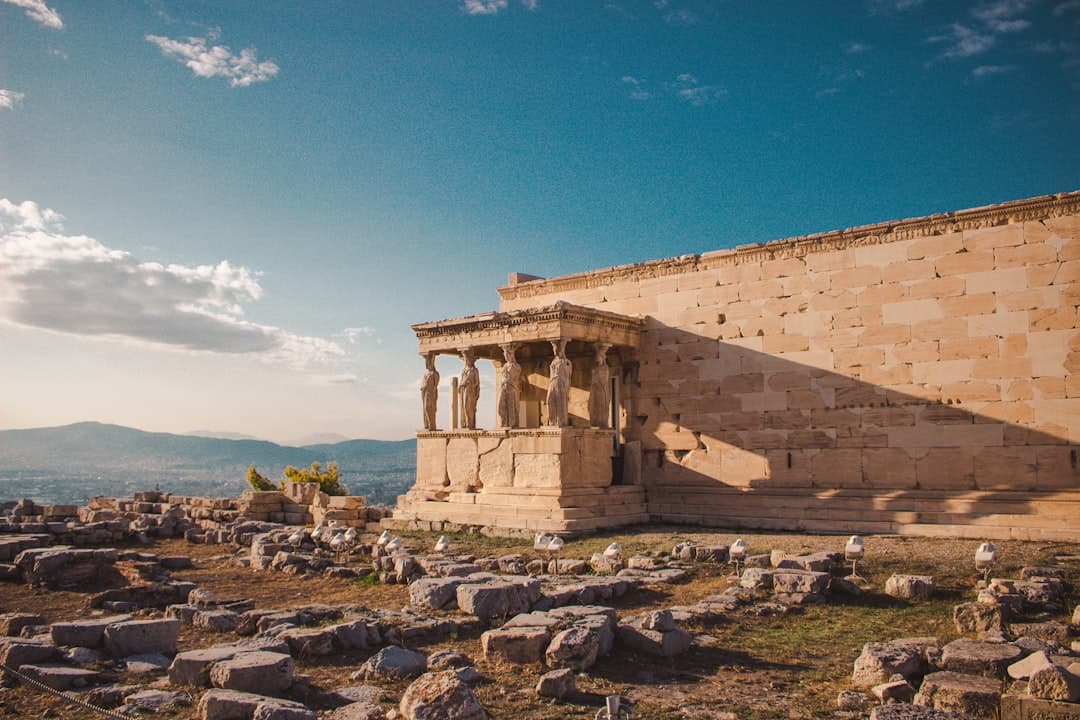
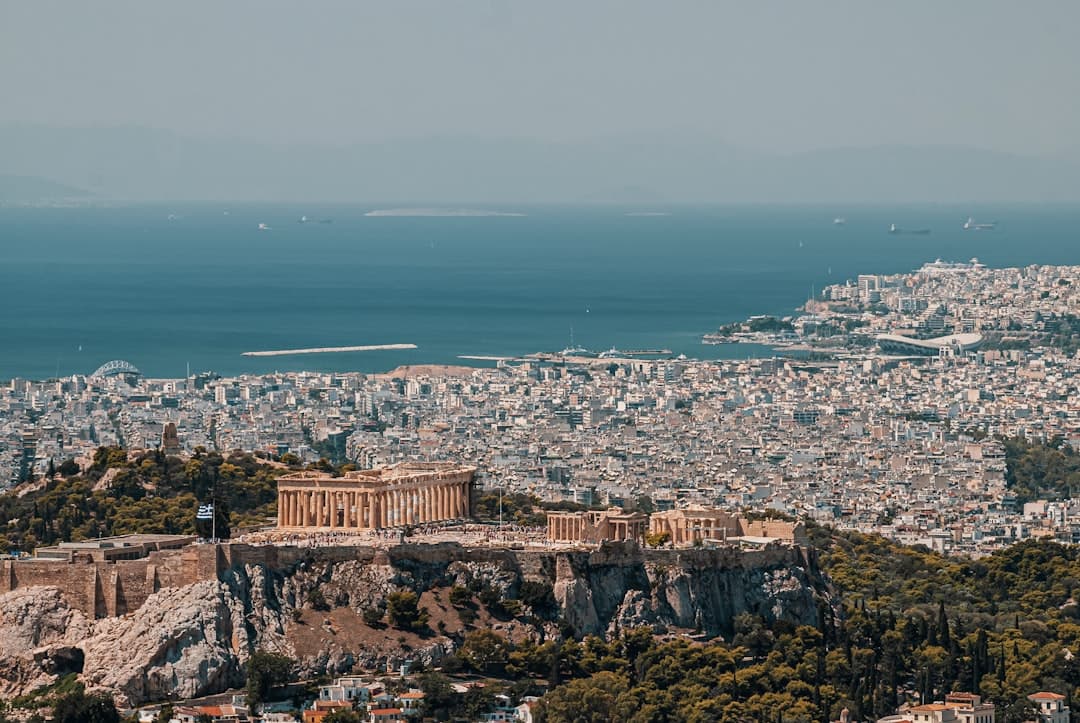
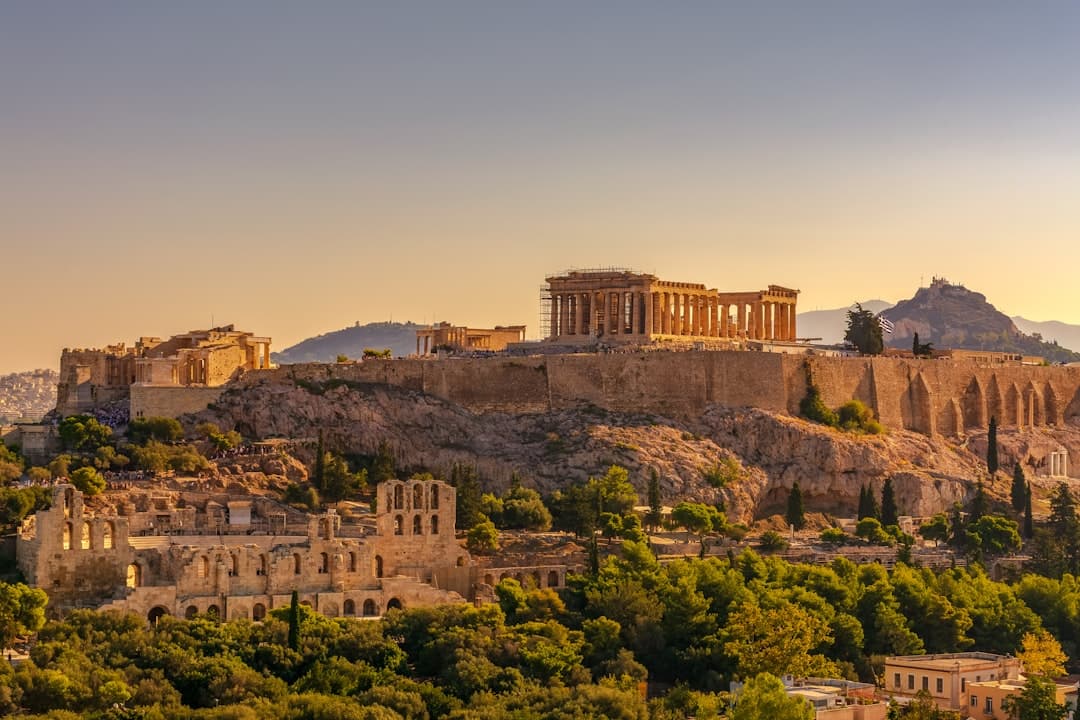
Yes, everyone goes. Go anyway — at opening time or the last two hours, never midday in summer. Standing under the Parthenon's columns is one of the few famous things that's better than its photographs.
€20Plaka & Monastiraki
The best of Athens — tap the ones you fancy and your plan builds around them.
Pick the kind of area — we’ll put you in the right neighbourhood.
Type its name and I’ll tell you what area it’s in and how far it is from your picks.
Yes, everyone goes. Go anyway — at opening time or the last two hours, never midday in summer. Standing under the Parthenon's columns is one of the few famous things that's better than its photographs.
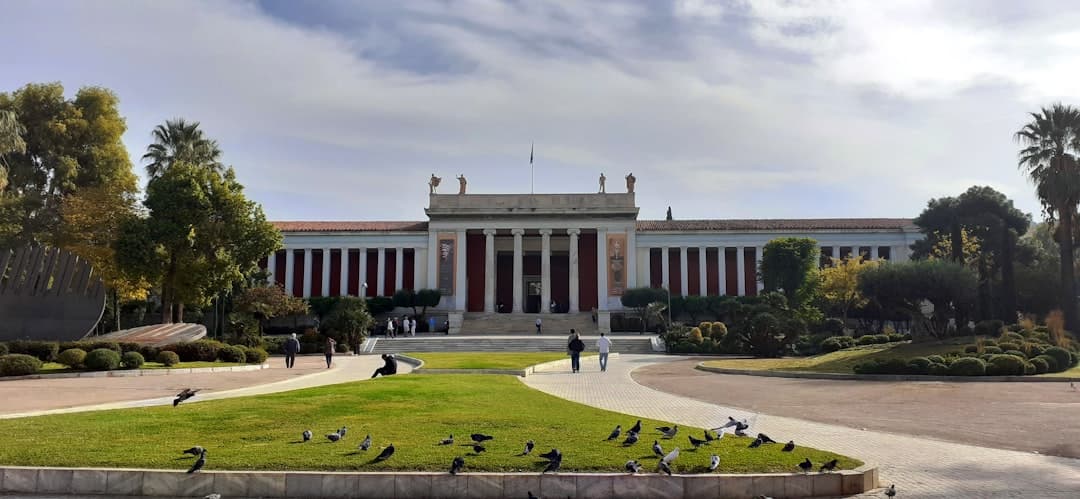
Built over an excavation you can see through the glass floor, with the Parthenon sculptures displayed in line of sight of the temple they came from. Do it the same day as the rock — it completes the sentence.
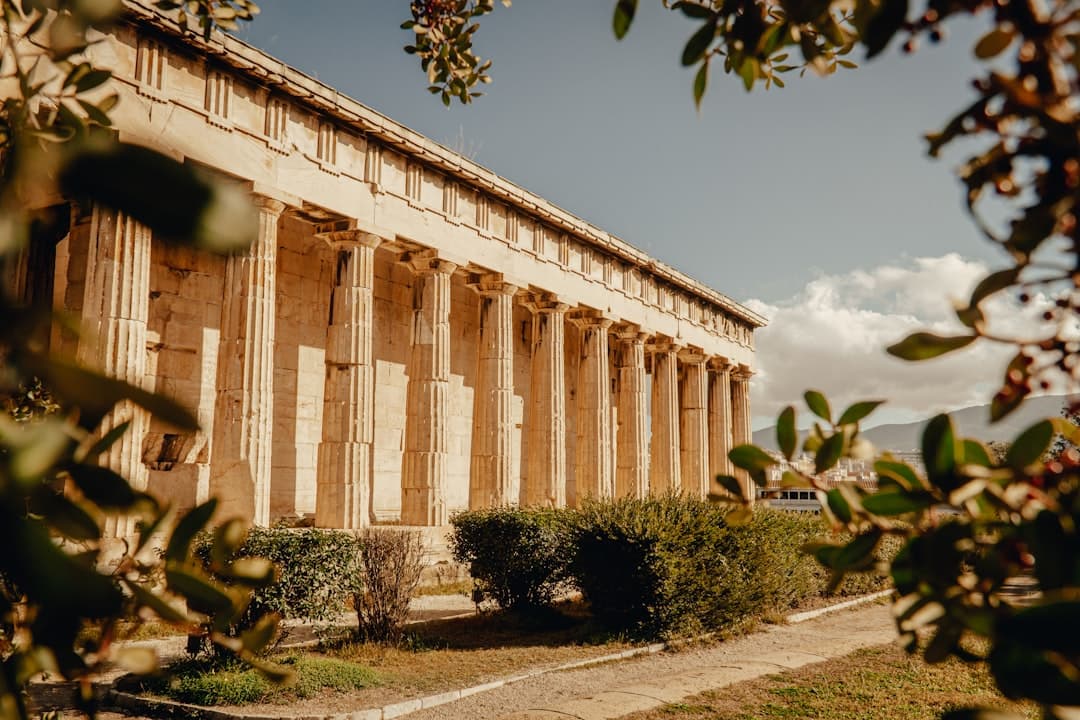
Where Socrates actually walked and argued — and, unlike the Acropolis, you can wander it under trees, nearly alone. The Temple of Hephaestus in the corner is the best-preserved Greek temple anywhere.
The best-preserved ancient Greek temple anywhere — standing almost whole above the Agora, it shows you what the Parthenon once looked like.
The all-marble stadium that hosted the first modern Olympics in 1896 — you can run the track and sit on the tiers where the Athens Marathon still finishes.
Sixteen colossal columns of what was once the biggest temple in Greece — it took 638 years to finish. Ten minutes, best through Hadrian's Arch on the walk between Plaka and the museum.
The marble gateway Hadrian raised between the old Greek city and his new Roman one — a two-minute stop beside the Temple of Olympian Zeus.
The gold Mask of Agamemnon, the bronze Zeus mid-throw, the Antikythera mechanism — the greatest collection of Greek antiquity on earth, in a building most visitors never make it to. Give it two unhurried hours.
A tiny whitewashed island village built illegally into the Acropolis slope by Cycladic stonemasons in the 1840s — and still lived in. Ten minutes of lanes barely a shoulder wide, and most tour groups walk straight past the entrance.
Sunday morning is the real thing — junk, icons, army surplus and vinyl spilling onto Avissinias Square, with the Acropolis looking down on all of it. Haggle a little; it's expected and it's fun.
The other hill — higher than the Acropolis, with the whole city and the sea laid out to the horizon. Walk up through the pines or take the funicular; either way, be there when the light goes orange.
The classic photograph of the Acropolis — level with it, full-frontal, pine trees framing the marble — is taken from here, and the walk up is ten shaded minutes. Locals' sunset spot; bring something to drink.
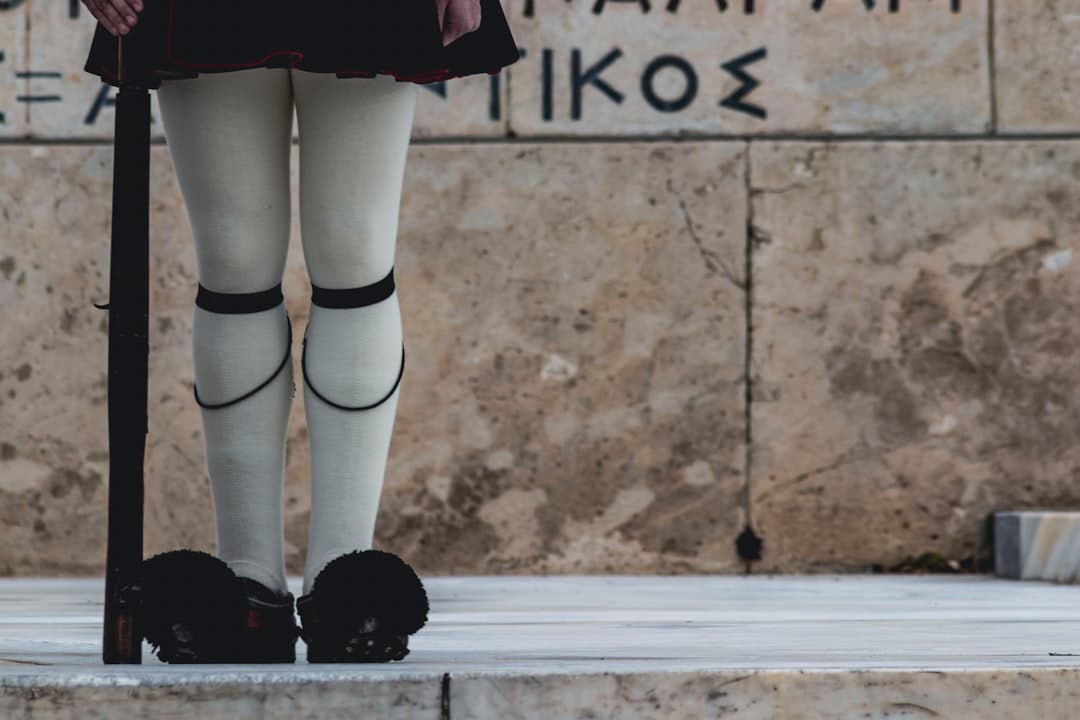
The changing of the guard at the Tomb of the Unknown Soldier — pom-pom shoes, slow-motion high kicks, completely serious and utterly hypnotic. On the hour, every hour; the full ceremonial version is Sunday 11am.
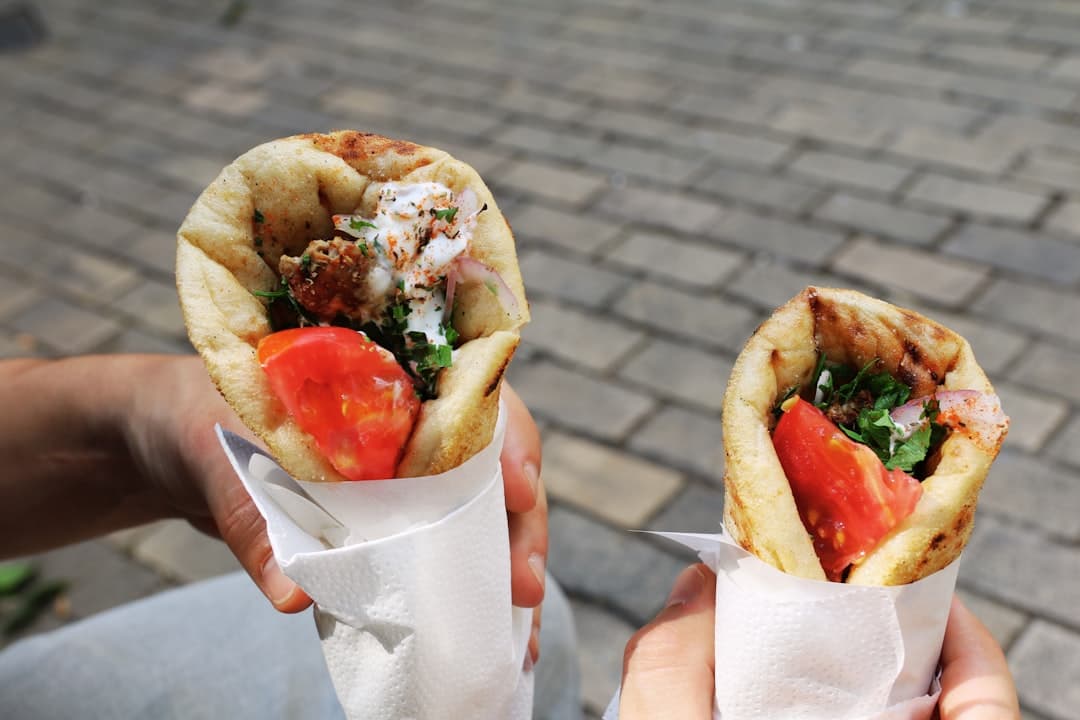
Athens' true street food: pork or chicken off the spit, tzatziki, tomatoes, chips in the wrap, about three euros. The places around Monastiraki and Agia Irini square argue about who's best — join the argument.
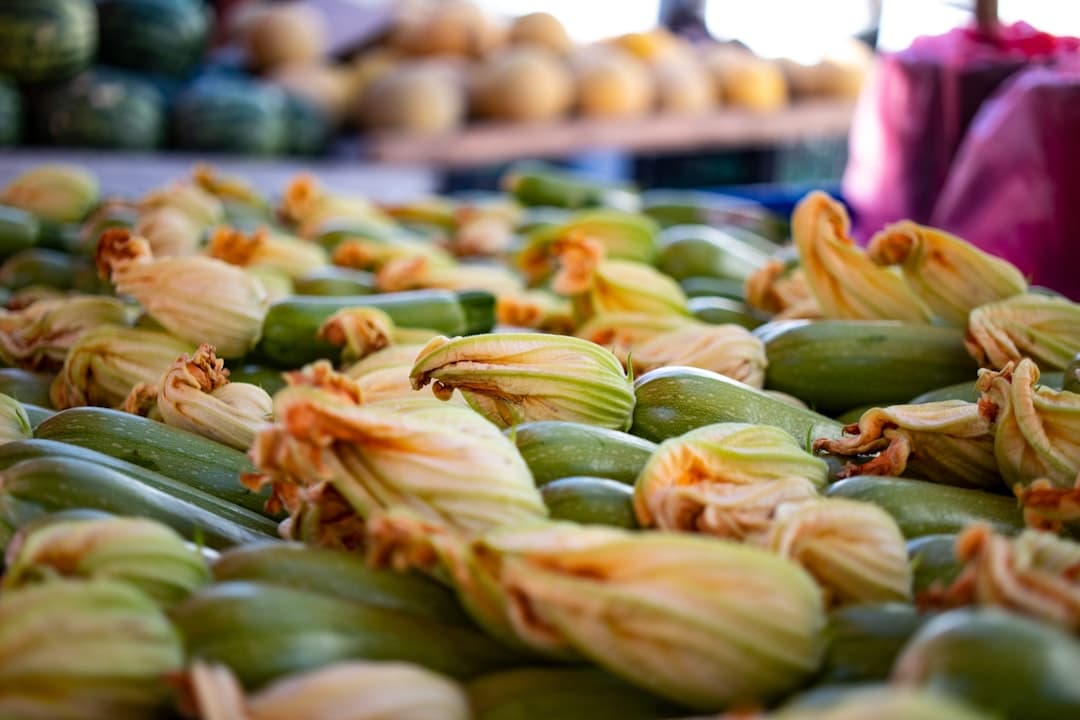
The city's stomach — fishmongers shouting, whole lambs, olives by the barrel. Loud, bloody and completely real. The tavernas inside serve workers' food from dawn; eat where the butchers eat.
Prices are relative to Greece, a mid-range country.
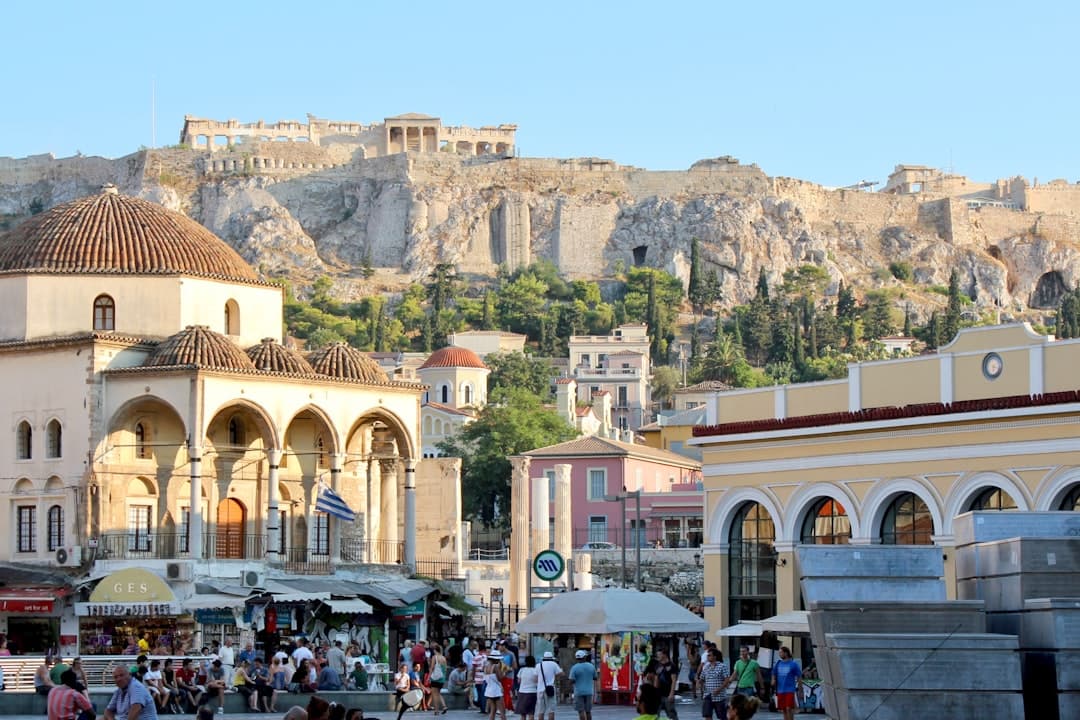
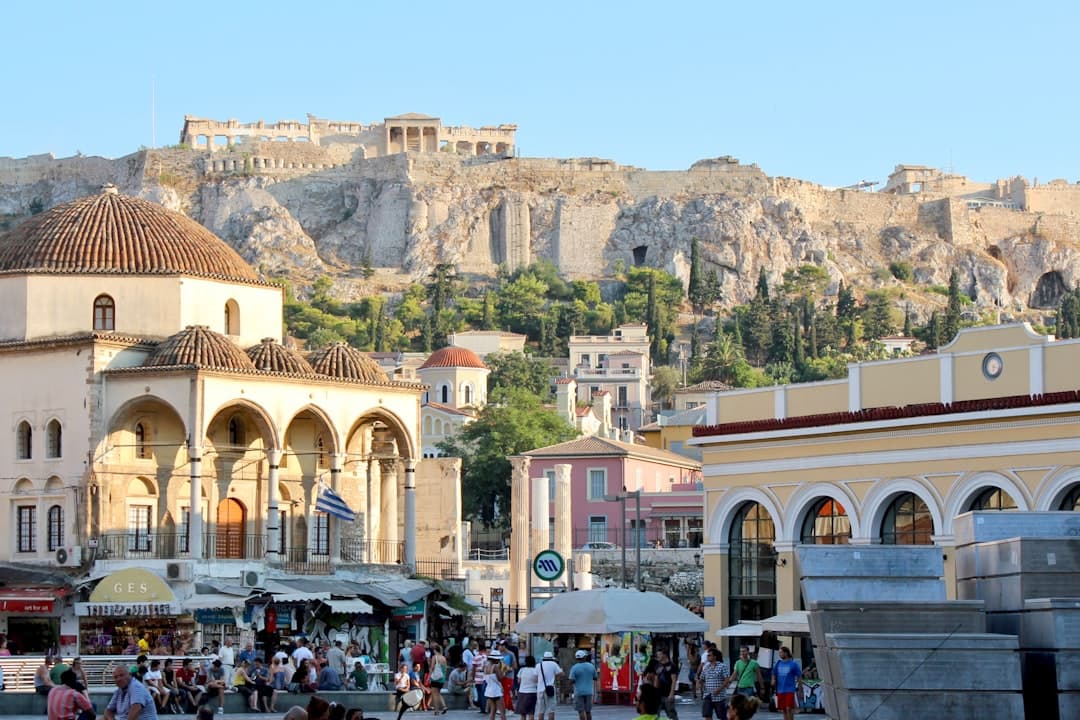
Historic core
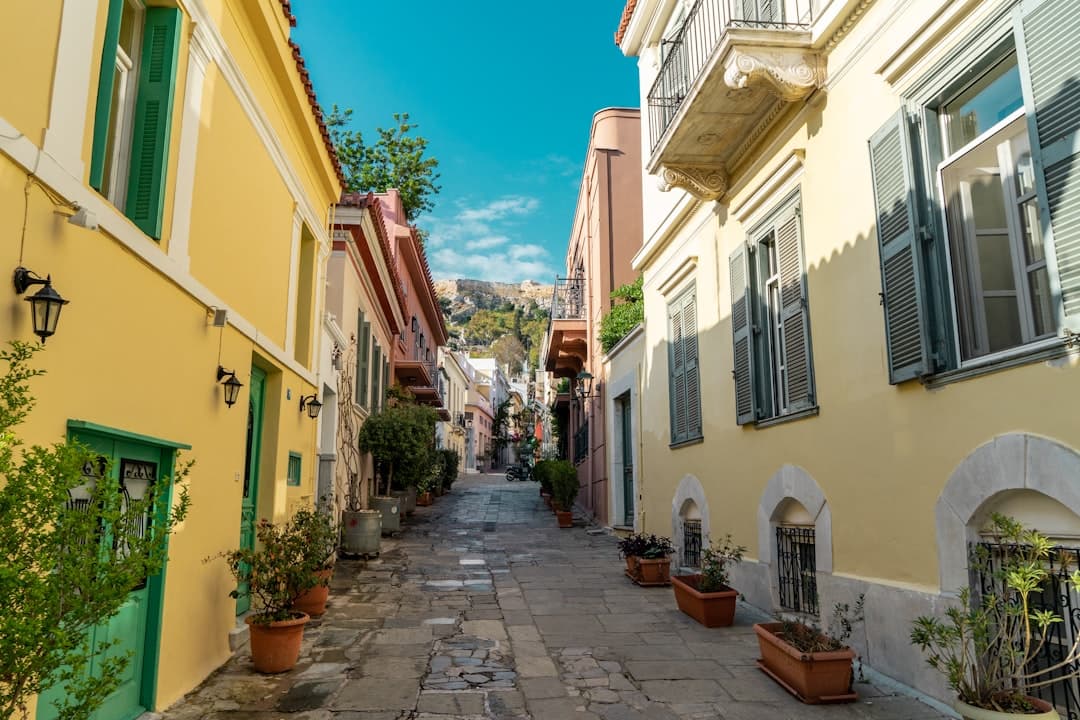
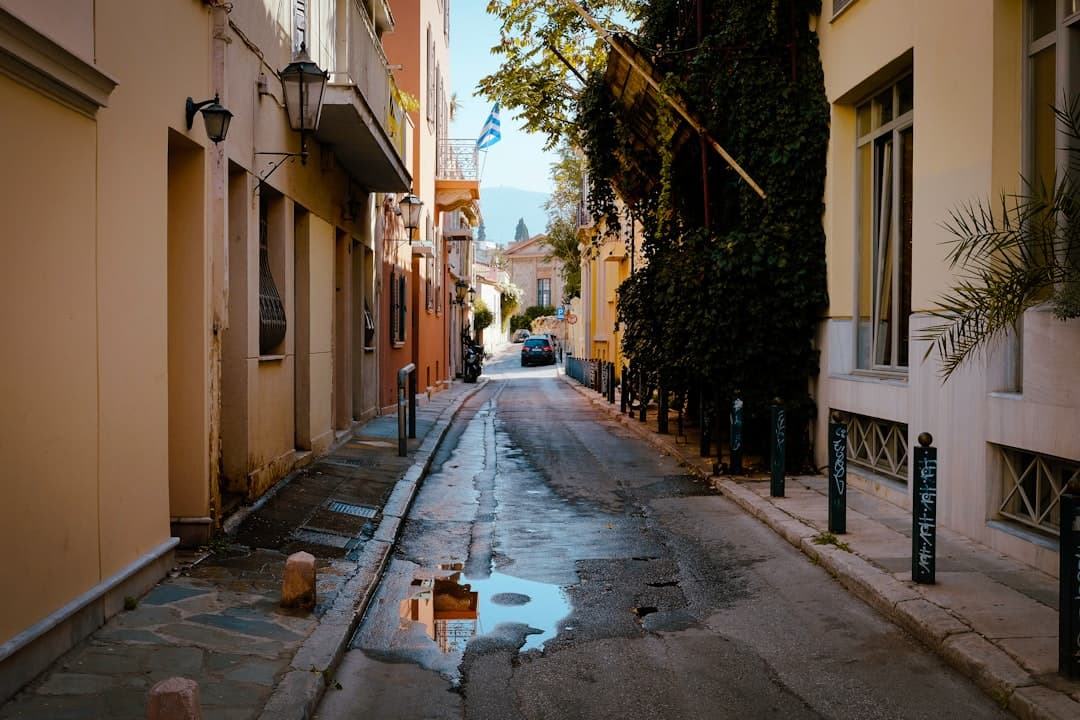
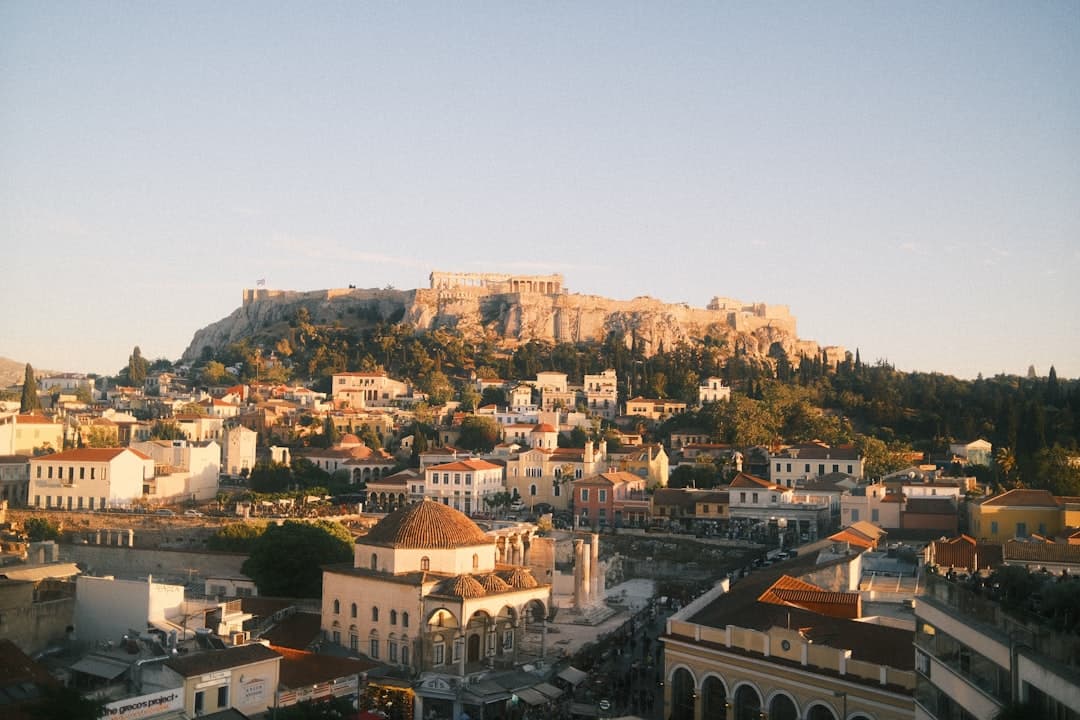
The centreThe old town under the Acropolis — pedestrian lanes, neoclassical houses, ruins between the cafés. Touristy, yes, but it's touristy because it's the best of it.
What’s here
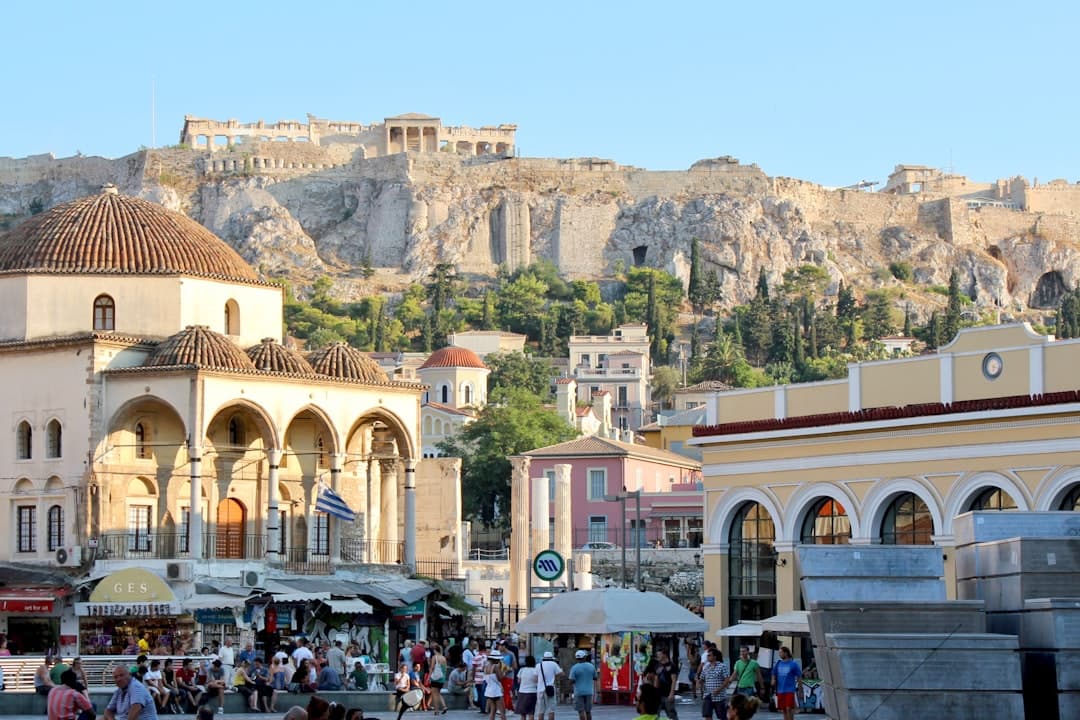
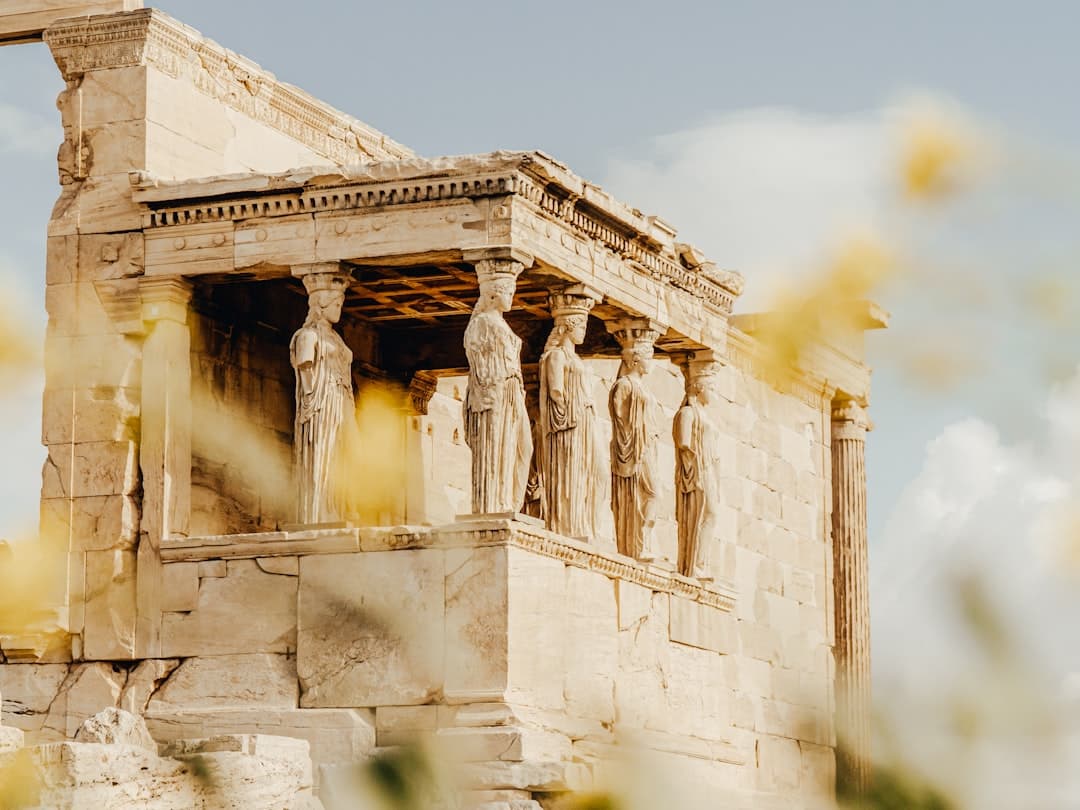
Calm / local
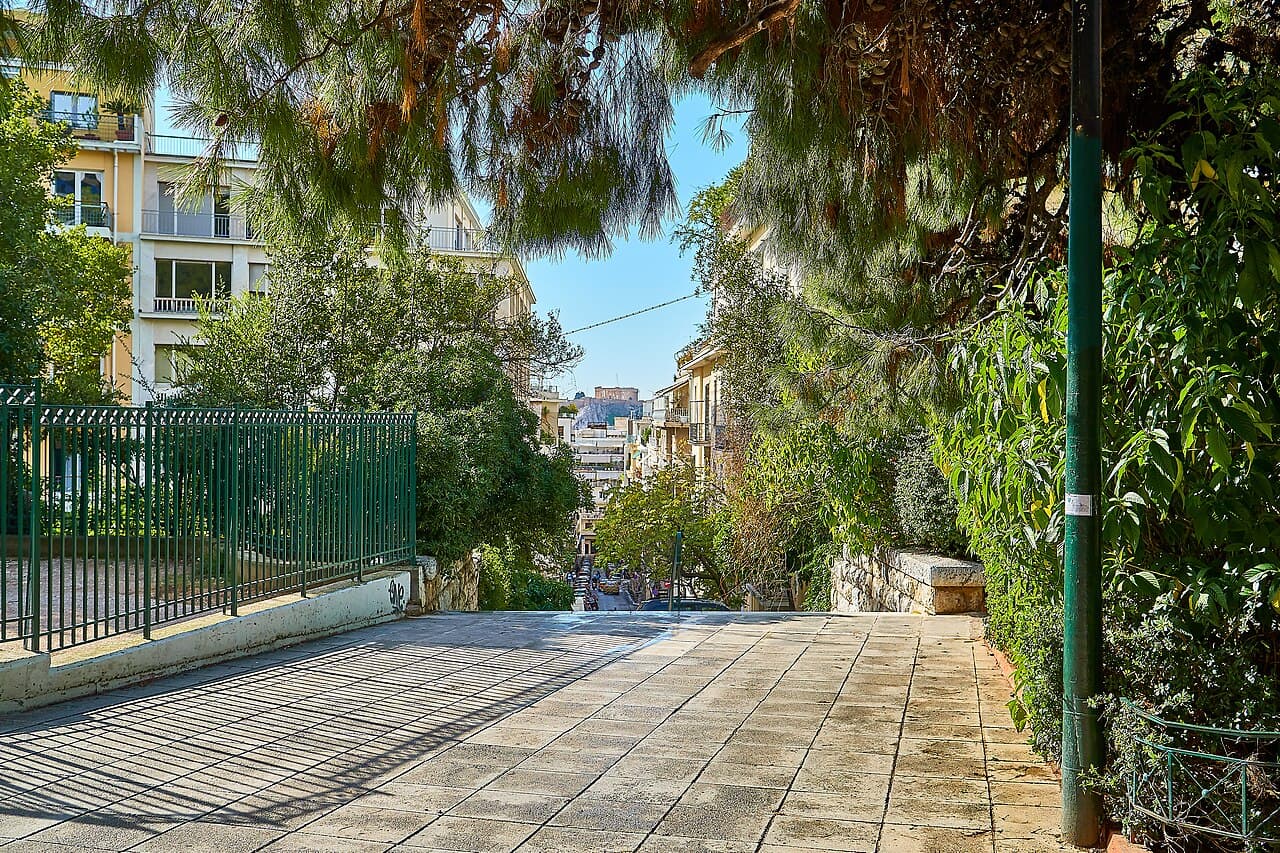
6 min · 1.5 kmThe neighbourhood just behind the Acropolis Museum — quiet streets, proper bakeries, locals on their own doorsteps. Walk to everything, sleep in peace.
What’s here
Nightlife / bars
4 min · 1 kmWorkshops by day, everything by night — bars, live music, street art, souvlaki at 3am. Central and loud; light sleepers should look one hill over.
What’s here
Upscale / polished
8 min · 2 kmOld money on the slope of Lycabettus — galleries, tailors, the good restaurants. The most expensive address in central Athens and the calmest way to do it in comfort.
What’s here
Student / alternative
7 min · 1.8 kmThe student and anarchist quarter — political murals, record shops, the cheapest good nights out in Athens. Rough-edged and completely itself; not for everyone, loved by the ones it's for.
What’s here
Worth knowing: No beach zone in the centre — but the Riviera beaches are 40 minutes by tram, so you can stay urban and still swim.
1 hr 45 min away
The Temple of Poseidon on a cliff over the open Aegean — the sunset ritual of Attica for about 2,500 years running. Byron carved his name on it; you shouldn't.
KTEL coastal bus from Athens, or a tour
40 min–1 hr by ferry away
The closest real island — pistachio orchards, a fishing harbour, the lovely Temple of Aphaia. The taste of the Aegean without committing your itinerary to it.
Ferry or hydrofoil from Piraeus, several per day
1 hr 40 min away
No cars — everything moves by donkey and boat. Stone mansions around a perfect harbour, swimming off the rocks, and the reason half of 1960s bohemia never went home. Cohen wrote here.
Hydrofoil from Piraeus
2 hr 30 min away
The centre of the ancient world, terraced into a mountainside that still silences tour groups. A long day trip, and worth every minute of the ride.
KTEL bus or a day tour
40 min away
Athens has a coastline, and locals use it — swim at Vouliagmeni or Kavouri from May to October. The lake at Vouliagmeni is warm year-round.
Tram or bus down the coast road
Best time to go
April–June and September–October. Warm without the punishment, and the evening light on the marble is the whole reason painters moved here.
Cheapest: November–March. Rooms drop hard, the Acropolis queue disappears, and Athens is one of the few Greek destinations that doesn't half-close in winter.
Pick your dates above and we’ll tell you exactly what the weather does then.
August
33° / 23°C
Dry
MixedAthens is a city that keeps its masterpiece on the roof. The Acropolis floats above everything — you turn a corner in a scruffy street of graffiti and orange trees and there it is again, lit gold at the top of the sky. The trick to Athens is accepting both halves: the marble half, which needs a day or two, and the living half — loud markets, all-night squares, some of the best cheap food in Europe — which is where the city actually happens. It stopped being a one-night stopover to the islands years ago. Give it three nights, walk everywhere, eat late, and climb something at sunset.
First things first
Tap the day you arrive.
August 2026
September 2026
October 2026
November 2026
December 2026
January 2027
February 2027
March 2027
April 2027
May 2027
Last updated 19 July 2026. Cities are refreshed, not written once.