St Mark's Basilica
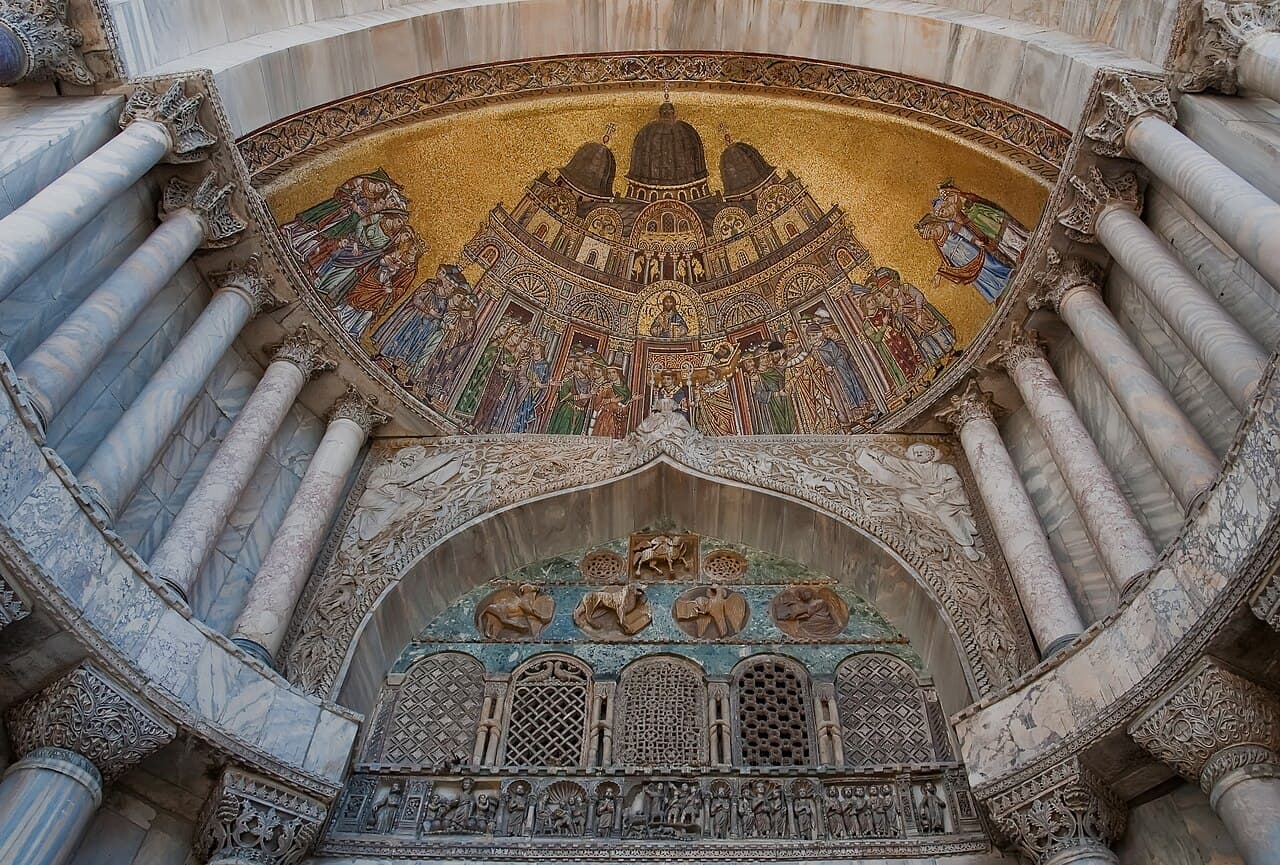
A cathedral of Eastern domes and 8,000 square metres of gold mosaic, looted and built over 800 years to look like nowhere else in the West. Book a timed entry, and pay the little extra for the Pala d'Oro and the loggia horses.
The best of Venice — tap the ones you fancy and your plan builds around them.
Pick the kind of area — we’ll put you in the right neighbourhood.
Type its name and I’ll tell you what area it’s in and how far it is from your picks.
A cathedral of Eastern domes and 8,000 square metres of gold mosaic, looted and built over 800 years to look like nowhere else in the West. Book a timed entry, and pay the little extra for the Pala d'Oro and the loggia horses.
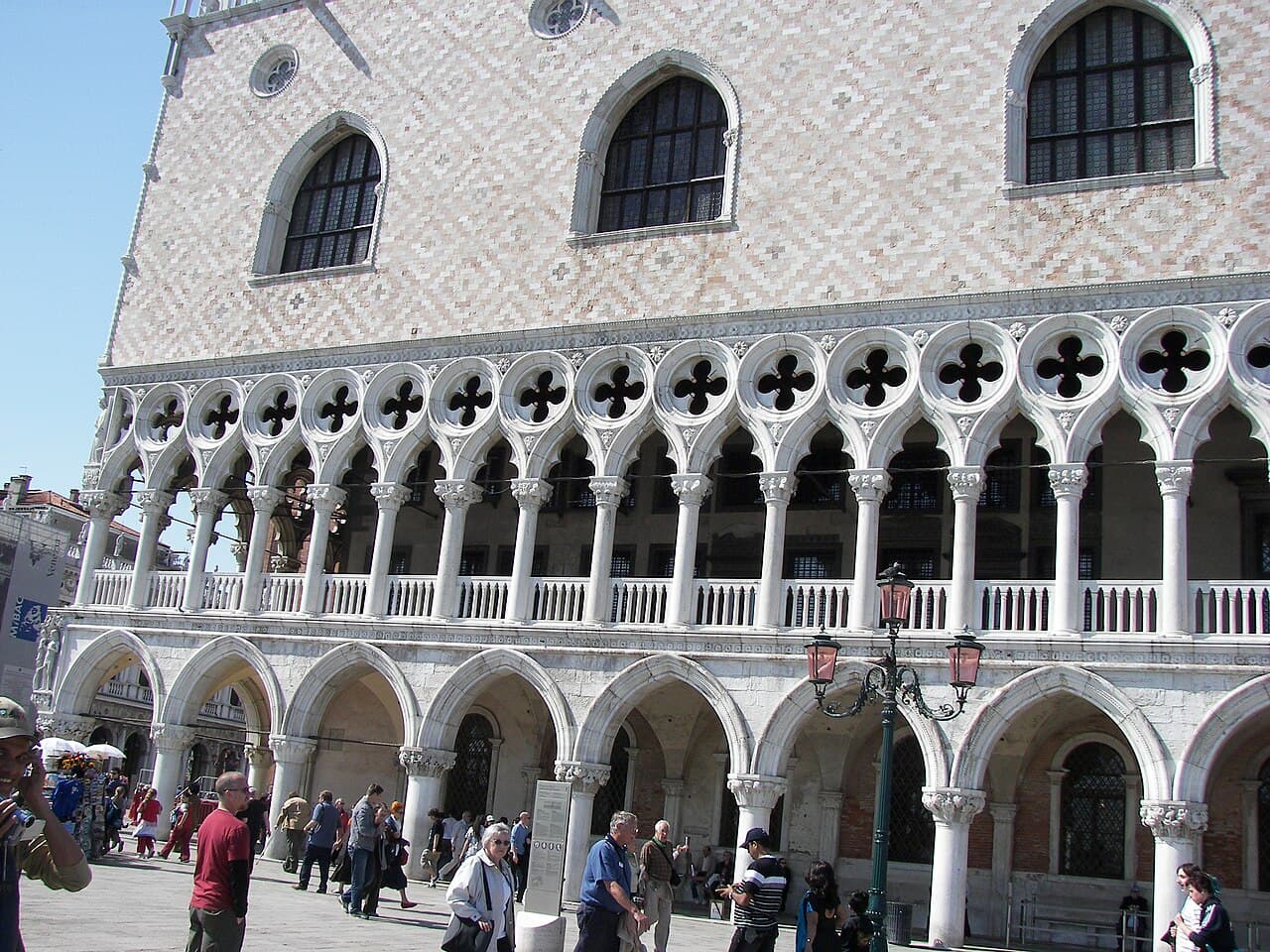
Eight centuries of Venetian power in pink-and-white marble — gilded council halls, Tintoretto's vast Paradise, and the Bridge of Sighs out to the old prison cells. The Secret Itineraries tour behind the walls is the one to book.
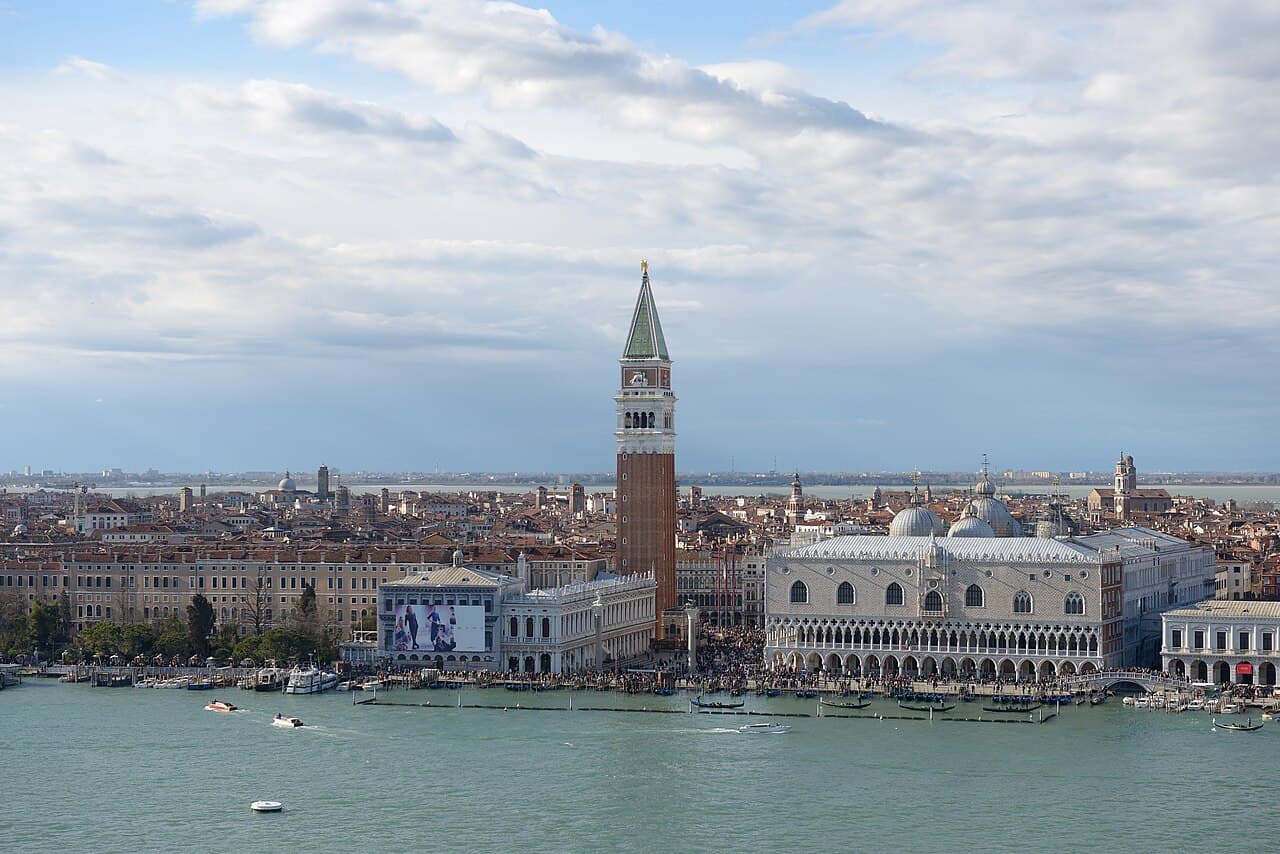
The only true piazza in Venice and, as Napoleon supposedly said, the drawing room of Europe — the bell tower to climb, the clock tower, the arcades and the duelling orchestras. Overrun by noon; unforgettable at dawn or after the fireworks.
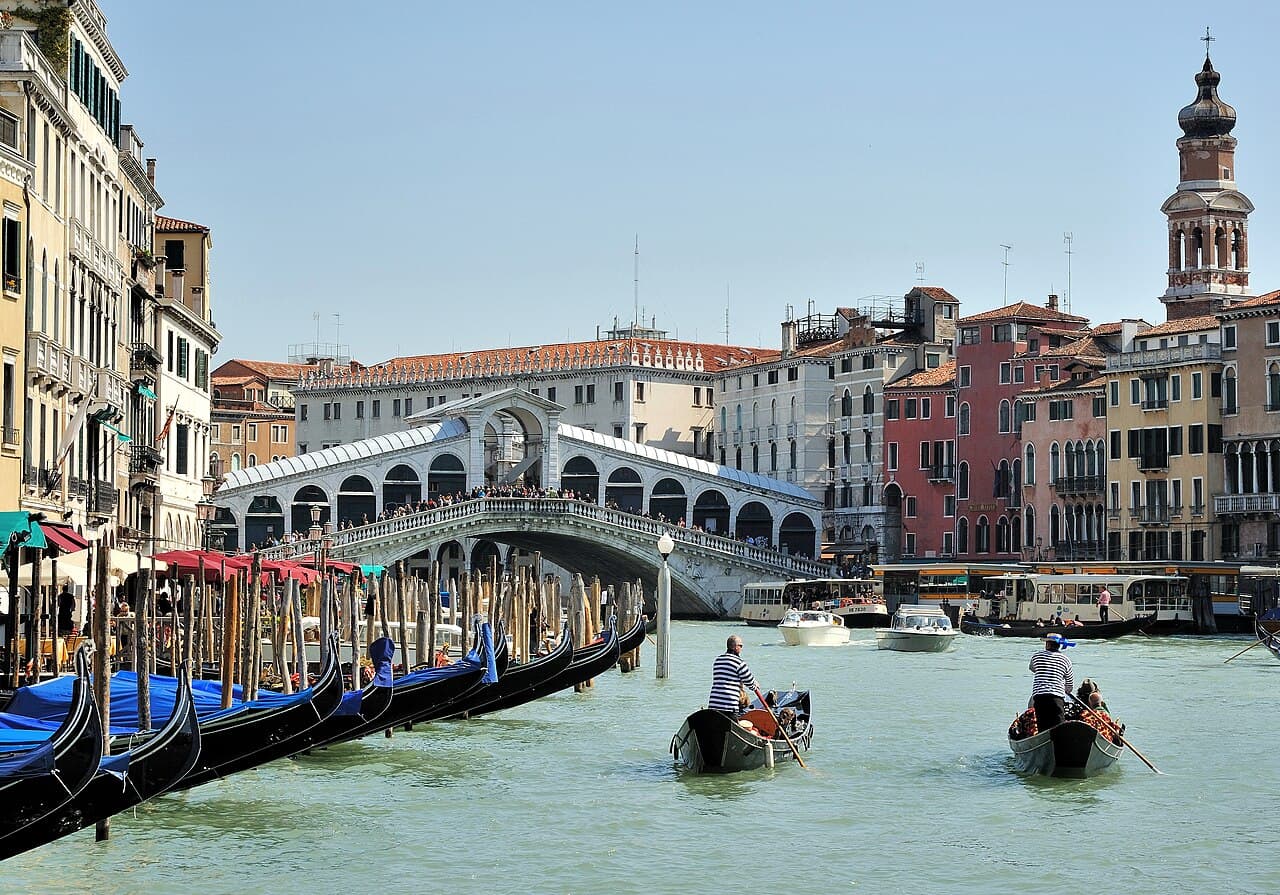
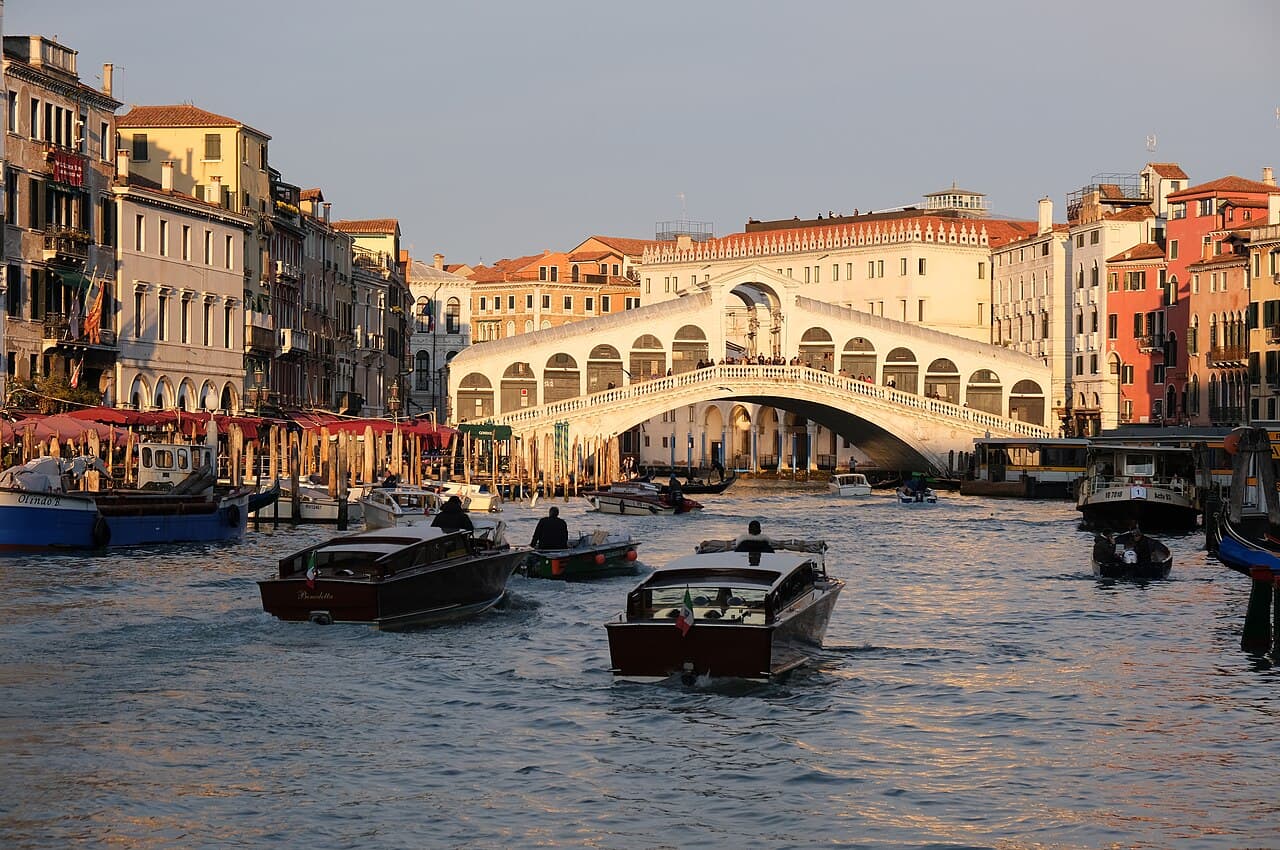
The oldest and grandest bridge over the Grand Canal — a single marble arch lined with shops that has been the city's beating commercial heart since 1591. Cross it, then shoot it from the wooden bridge or a passing vaporetto.
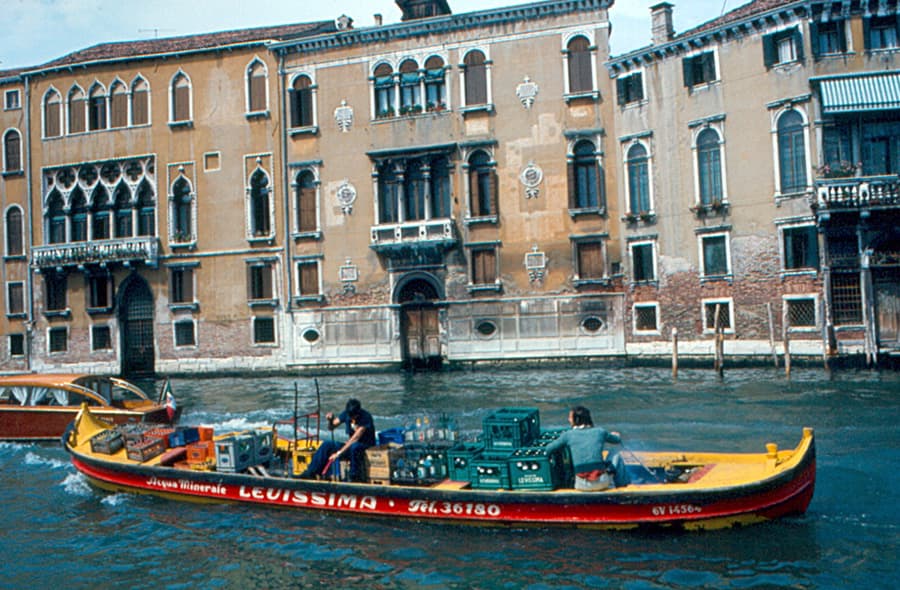
The world's most beautiful main street, and you ride it for the price of a bus ticket. Take the number 1 slow boat from the station to San Marco, grab a rail seat at the back, and watch 200 palaces slide past the water.
Touristy, pricey and completely worth it once — the only way to slip into the silent back canals the boats can't reach. Fixed price for the boat, not per person, so fill it with friends; go at dusk, and skip the singer.
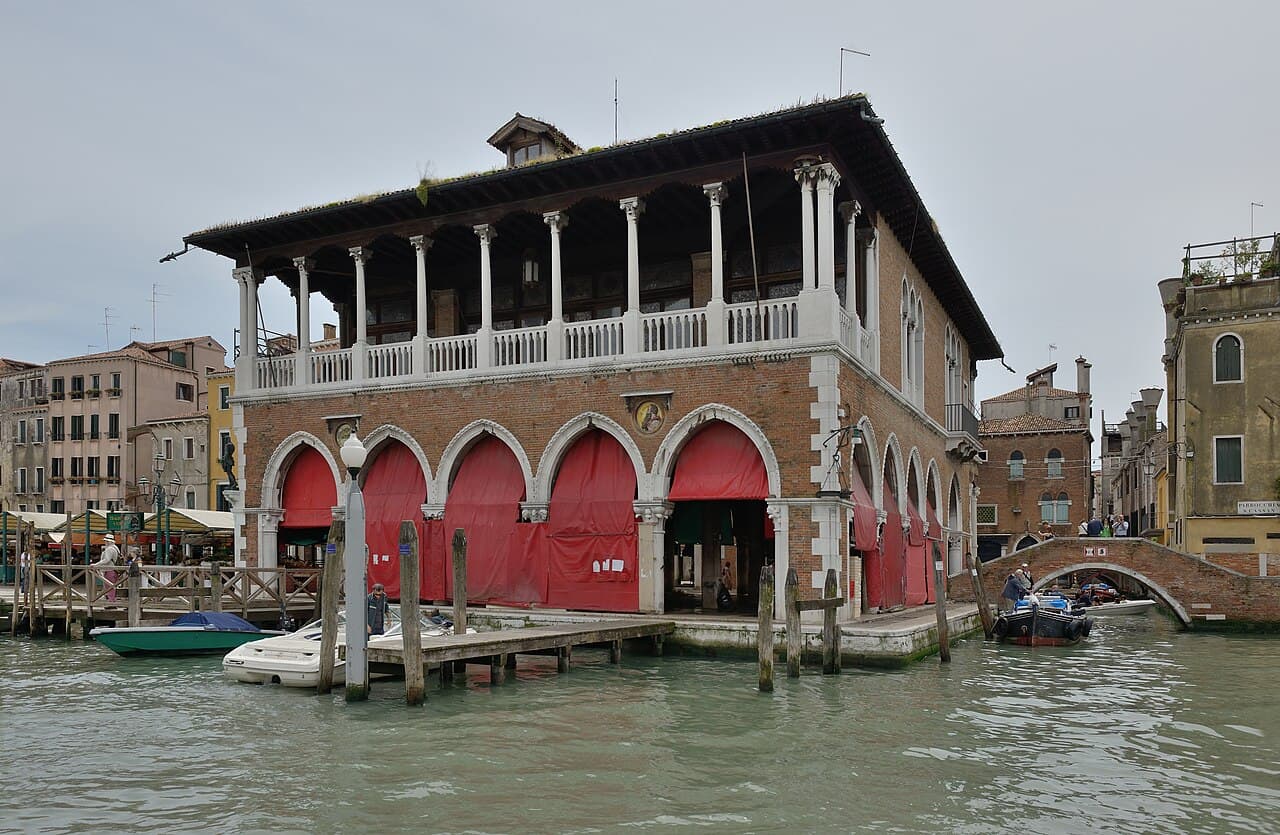
Six centuries of trading, still going — the Pescaria fish hall and the produce stalls that feed the city, loud and glistening from dawn till lunchtime. Come early, then eat your way along the cicchetti bars tucked in behind.
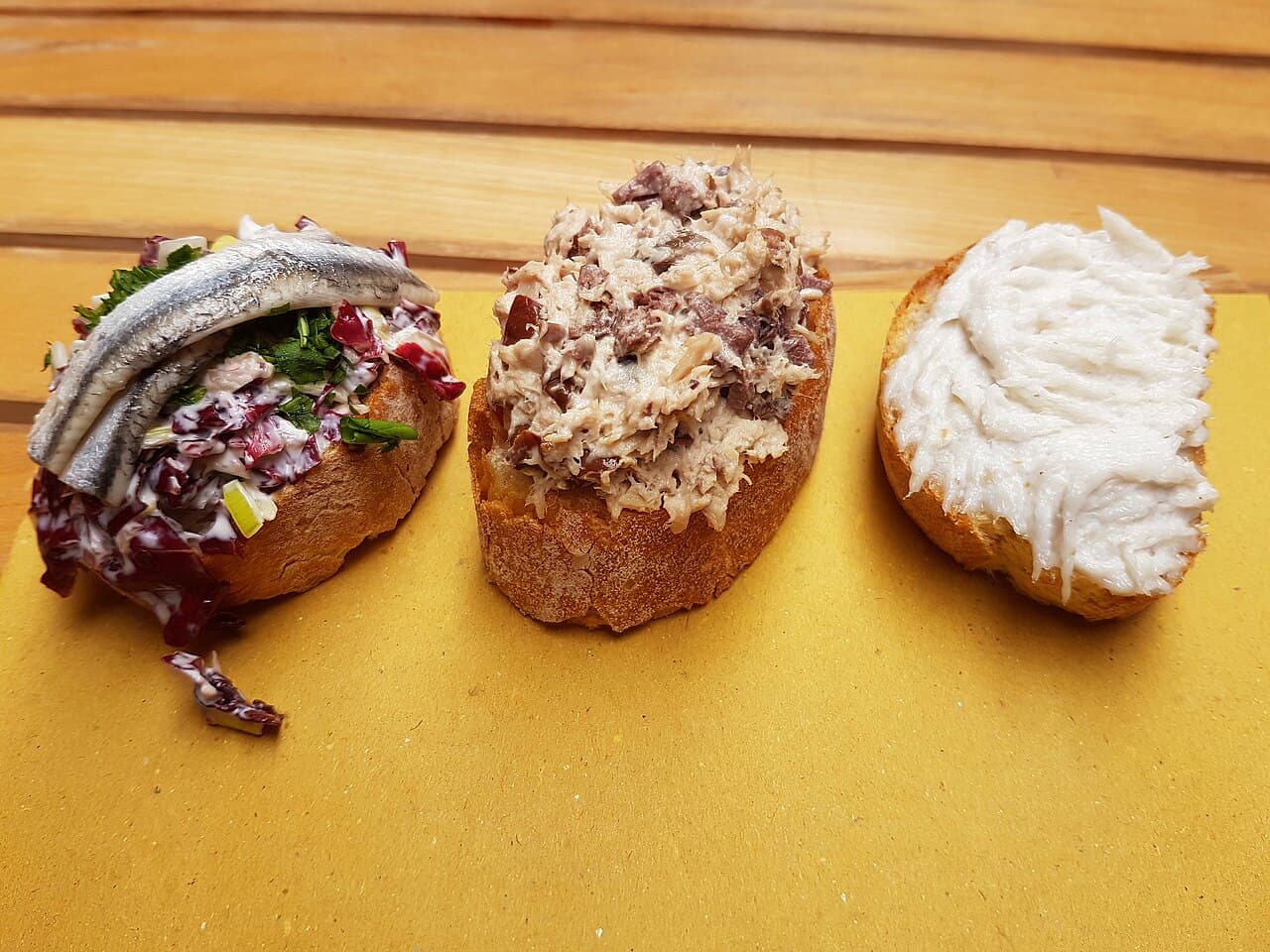
Venice's answer to tapas — little plates of fried seafood, baccalà and bread, eaten standing at a bacaro with a small glass of wine (an 'ombra'). Hop three or four bars along Cannaregio's canal; this is dinner, done the local way.
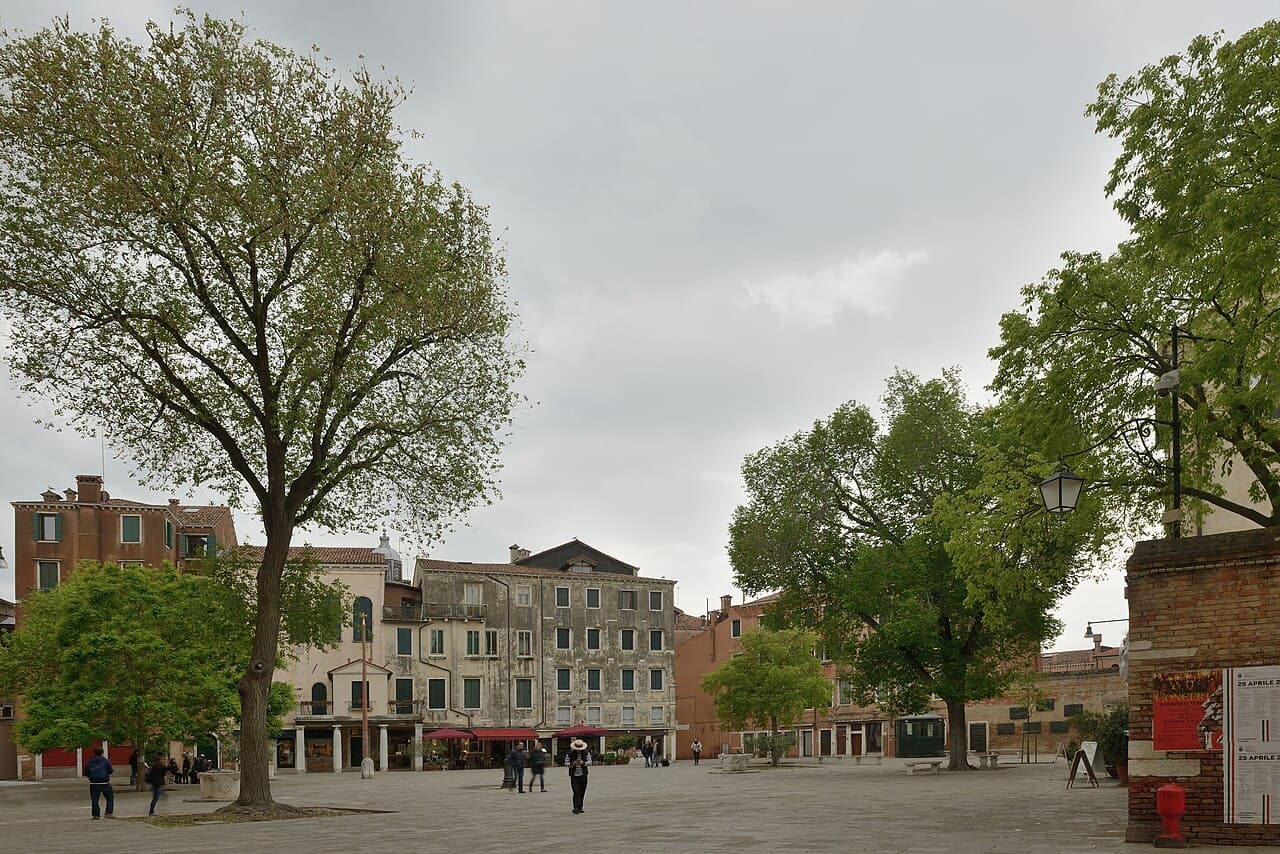
The original ghetto — the word was coined here in 1516 — now a quiet, moving square of tall houses and old synagogues, ringed by the city's most local canals. The best aimless wander in Venice, crowds nowhere in sight.
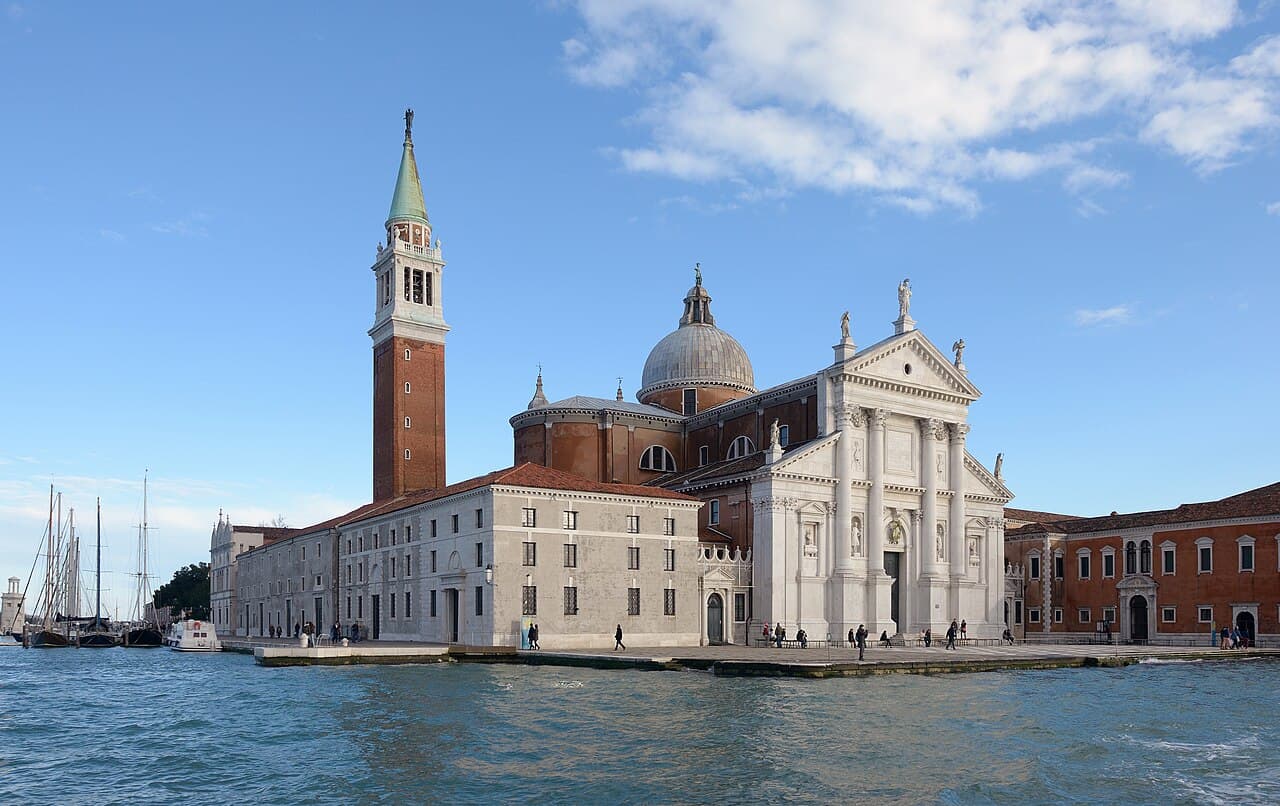
Palladio's white church on its own island, one vaporetto stop across the water — and a lift up its bell tower to the best view in Venice, looking straight back at San Marco. Quieter and better than the campanile queue.
The greatest hoard of Venetian painting anywhere — Bellini, Carpaccio, Giorgione, Titian and Veronese, the colour and light the whole city taught the world. Smaller and calmer than the big Italian galleries; a couple of hours is plenty.
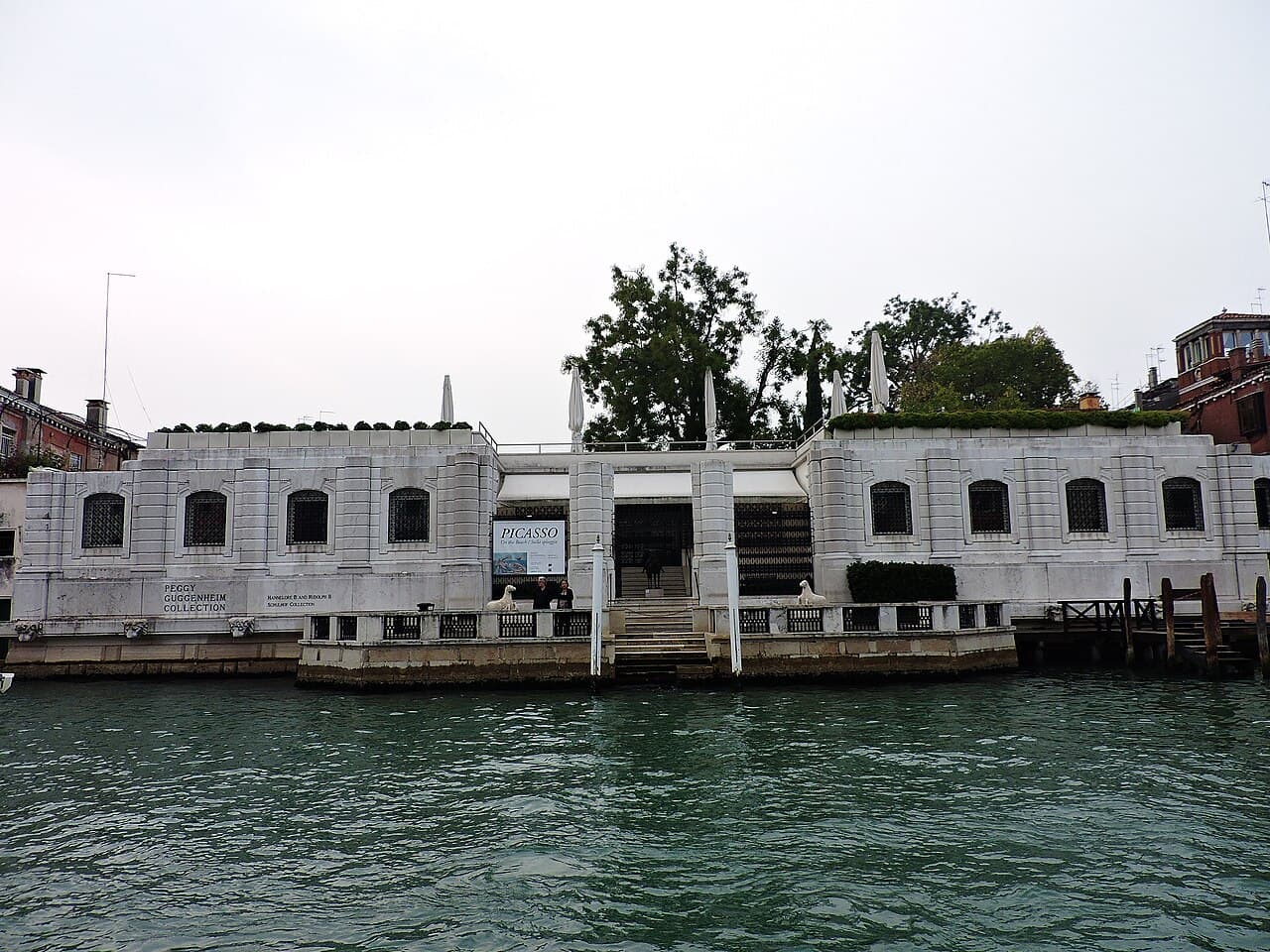
The heiress's own palace on the Grand Canal, left as one of the finest small modern-art collections in Europe — Pollock, Picasso, Ernst, Magritte — with a sculpture garden by the water. The perfect antidote to Renaissance overload.
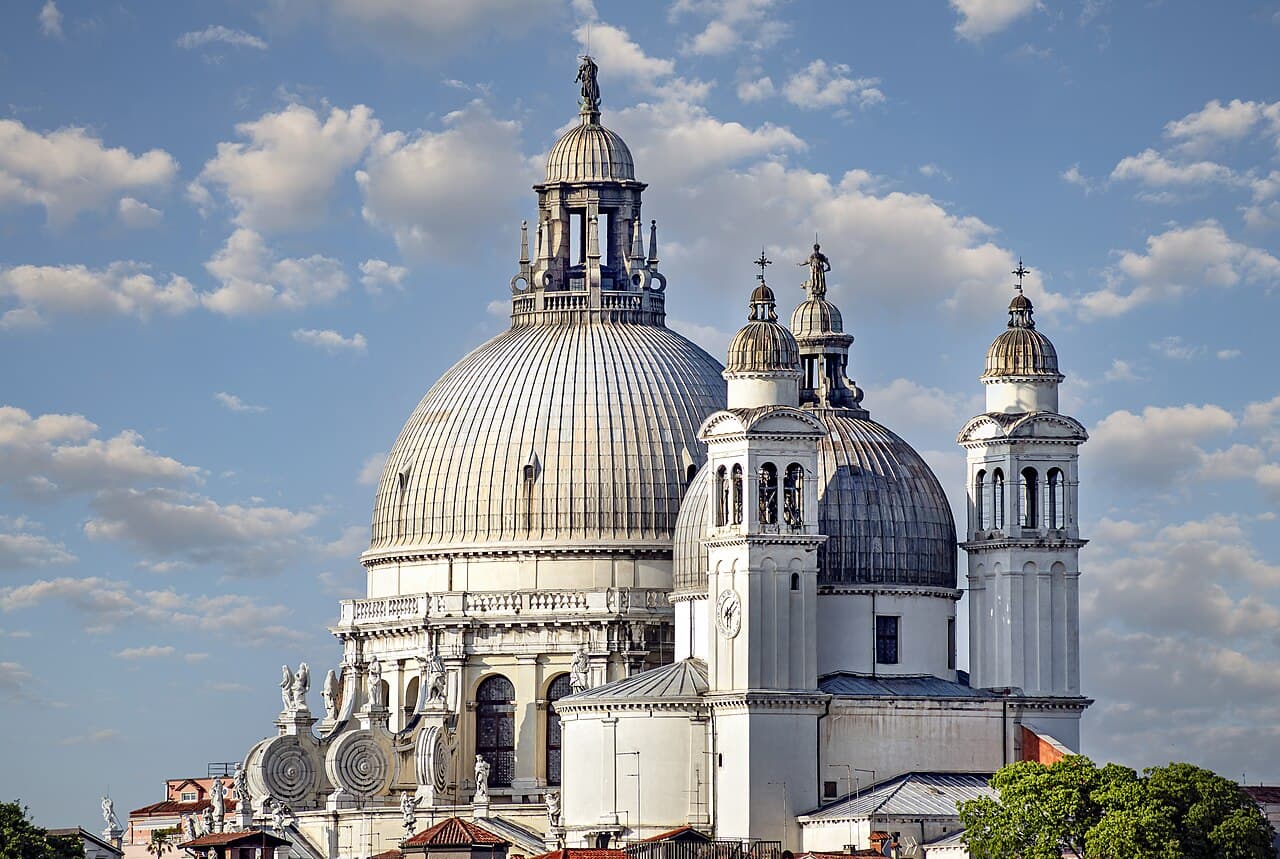
The great white domed church at the mouth of the Grand Canal, built in thanks for the end of a plague and now the image every painter of Venice returns to. Free to step inside, and the point where Dorsoduro meets the widest water.
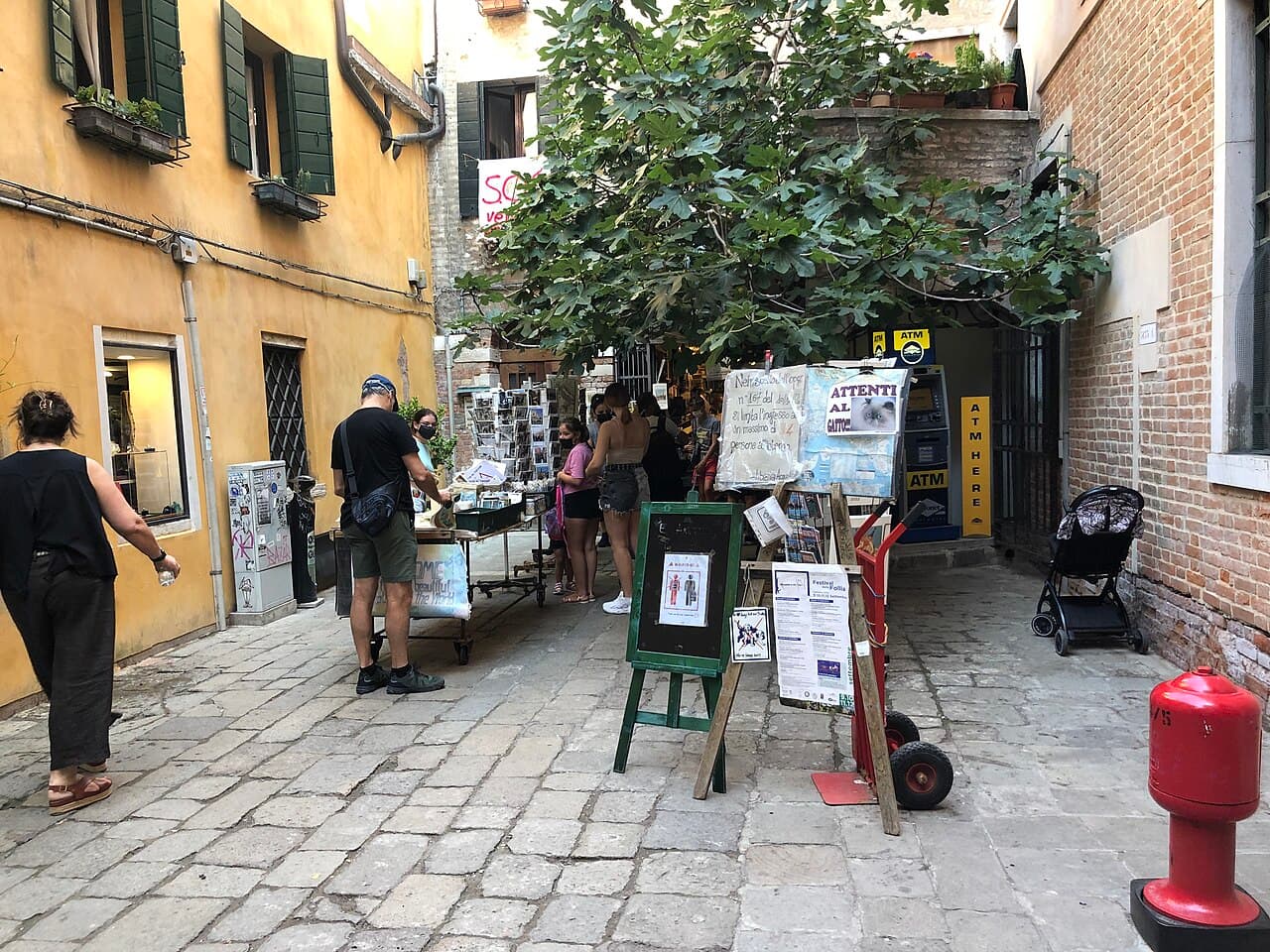
The most Venetian bookshop on earth — stock piled into bathtubs and a full-size gondola against the floods, a back door straight onto a canal, and a staircase built of old encyclopaedias. Silly, photogenic, and free to wander.
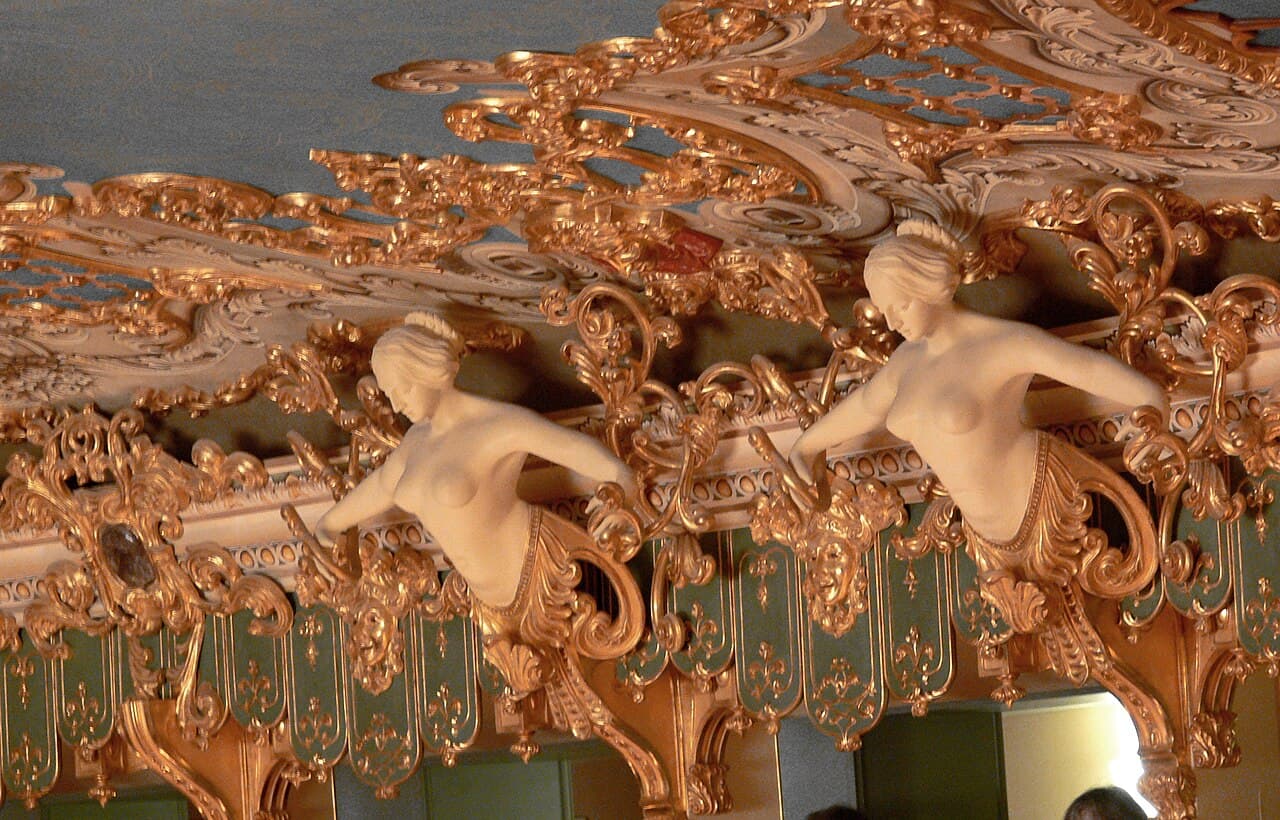
One of the great opera houses of the world — burned down and rebuilt 'as it was, where it was' after a 1996 fire, all gilt and red velvet. See a performance if you can, or take the audioguide tour by day.
Prices are relative to Italy, a mid-range country.
Historic heart
The centreThe postcard centre, around the great square — the basilica, the Doge's Palace and the grandest hotels, with the gondola stations and La Fenice a few bridges away. Dazzling and dear; wake up here and you'll have St Mark's to yourself at dawn.
What’s here
Central & buzzy
8 min · 0.6 kmThe market side of the Rialto bridge — the fish and produce stalls, the oldest bacari, and a tangle of shopping lanes bang in the middle of everything. The most Venetian place to be at breakfast and again at the evening ombra.
What’s here
Art & nightlife
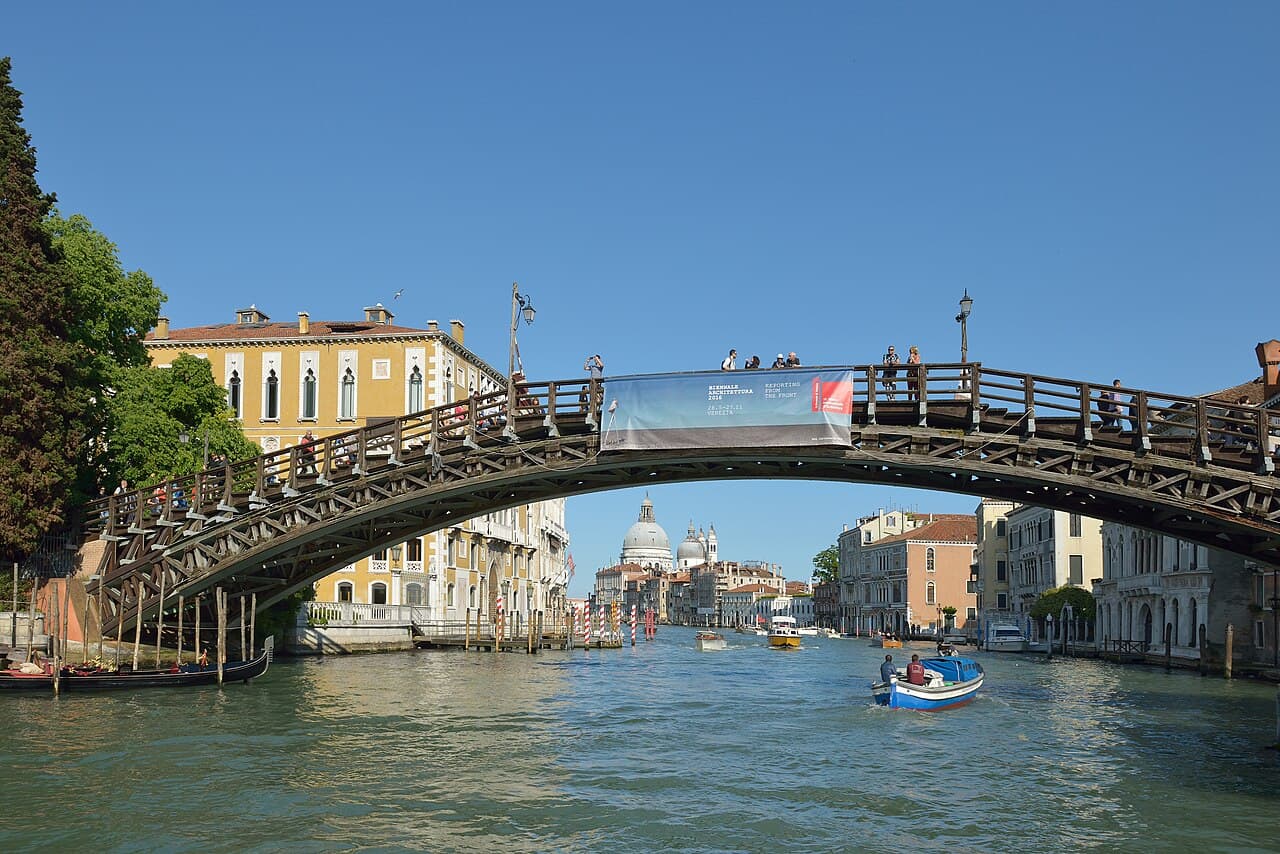
12 min · 0.9 kmThe arty, student side — the Accademia and the Guggenheim, the sunny Zattere promenade, and the bars of Campo Santa Margherita where Venice actually goes out. Young, walkable and a little cheaper than San Marco across the water.
What’s here
Local & canalside
15 min · 1.2 kmThe quiet north where Venetians actually live — long sunny canals, the old Jewish Ghetto, and the best strip of cicchetti bars in the city along the Fondamenta della Misericordia. Handy for the station and blessedly free of crowds.
What’s here
Quiet & green
12 min · 0.9 kmThe city's biggest and least touristy quarter, east of San Marco — real neighbourhood life, the Arsenale, the Biennale gardens, and washing strung across the lanes. Steps from the sights but a world away from them.
What’s here
Worth knowing: There are no cars and no roads — you walk or take the vaporetto (water bus). Nowhere is a 'drive'; the minutes below are on foot or by boat from San Marco. There's no real beach in the old city — the sand is out on the Lido, a short boat ride away.
20 min away
The glass island, where Venice sent its furnaces 700 years ago to keep the city from burning down. Watch a master blow glass, then walk the quieter canals. Easily paired with Burano on one boat trip.
Vaporetto from Fondamente Nove
45 min away
The fishermen's island painted in every colour there is, so the boats could find home in the fog — the most photogenic corner of the lagoon, plus lace-making and a properly leaning bell tower. Go for the morning light.
Vaporetto from Fondamente Nove
50 min away
Where Venice began — now almost empty, just a handful of souls, a meadow, and a 1,000-year-old cathedral with Byzantine mosaics as good as any in the city. The lagoon at its most haunting and peaceful.
Vaporetto via Burano
30 min away
A handsome university city half an hour inland — Giotto's world-changing frescoes in the Scrovegni Chapel, huge arcaded squares and a proper student buzz. A real Italian city after the museum of Venice.
Train from Santa Lucia
Best time to go
May–June and September — warm, long days before or after the summer crush, and the light on the water at its best.
Cheapest: November to February — cold and often misty, sometimes with high water, but cheap and empty, and the fog over the canals is its own kind of magic.
Pick your dates above and we’ll tell you exactly what the weather does then.
August
29° / 19°C
A little rain
MixedVenice is a city built on water that shouldn't exist and somehow still does — a hundred islands stitched together by canals and bridges, with not a single car. It is unashamedly beautiful and unashamedly busy; the trick is to stay the night, because when the day-trippers leave the alleys empty out and the real Venice appears. Get lost on purpose, eat standing up at a bacaro, and take the slow boat down the Grand Canal at least once.
First things first
Tap the day you arrive.
August 2026
September 2026
October 2026
November 2026
December 2026
January 2027
February 2027
March 2027
April 2027
May 2027
Last updated 27 July 2026. Cities are refreshed, not written once.